Shower Door Limescale Cleaner: Easy Ways to Remove Scale with Natural Ingredients
Are you tired of scrubbing at your shower door, only to find that those pesky limescale stains just won't budge? You're not alone. Limescale is a common problem in many homes, especially in areas with hard water. But did you know that there are simple, eco-friendly, and effective ways to clean and prevent limescale buildup on your shower door? Let's dive in and explore the best methods to keep your shower door sparkling clean.
First, let's understand what limescale is and why it's a challenge to clean. Limescale is a deposits of calcium carbonate that forms when hard water is heated. It's a tough, chalky substance that can be difficult to remove, but with the right techniques and products, you can keep it at bay.
Understanding Limescale and Its Causes
Before we delve into cleaning methods, it's essential to understand why limescale forms. As mentioned earlier, hard water is the main culprit. Hard water contains high concentrations of calcium and magnesium, which leave behind mineral deposits when the water evaporates. The heat in your shower accelerates this process, leading to limescale buildup on your shower door, tiles, and other surfaces.
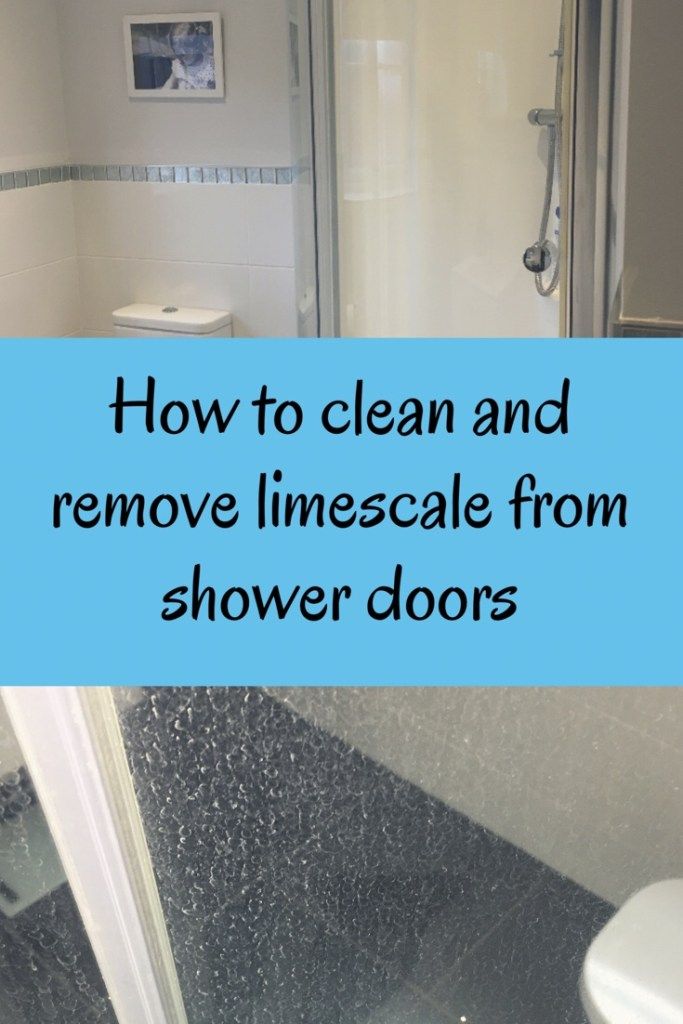


Other factors that contribute to limescale formation include temperature, humidity, and the materials used in your shower. Showers with poor ventilation may be more prone to limescale due to the increased humidity and moisture. Additionally, certain materials like glass and ceramic surfaces are more susceptible to limescale stains than others.
Identifying Limescale Hot Spots
Knowing where to look for limescale can help you stay on top of the cleaning process. In showers, limescale typically forms in the following areas:


- Shower door and surrounds
- Faucets and showerheads
- Tiles and grout
- Silicone sealant around tiles and fittings
Regularly inspecting these areas can help you catch limescale before it becomes a stubborn, unsightly problem.
Preventing Limescale Buildup
Prevention is always better than cure, especially when it comes to limescale. Here are some ways to prevent limescale buildup in your shower:
-
Maintain proper ventilation: Ensure your shower has adequate ventilation to reduce humidity and moisture buildup.
-
Clean your shower regularly: Weekly cleaning helps remove soap scum, dirt, and other residue that can contribute to limescale formation.
-
Use limescale preventing products: If your area has hard water, consider using soaps, shampoos, or shower cleaners that containingredients designed to prevent limescale buildup.
-
Install a water softener: If hard water is the primary issue, installing a water softener can help reduce limescale formation.
Cleaning Shower Door Limescale: DIY Solutions
While prevention is key, sometimes limescale buildup happens despite your best efforts. When that's the case, it's time to break out the cleaning solutions. Here are some effective DIY methods to clean limescale from your shower door:


Vinegar and Water Solution
A simple solution of white vinegar and water can help break down limescale deposits. Mix equal parts of white vinegar and water in a spray bottle. Spray the solution onto the affected areas, let it sit for 15-30 minutes, then scrub and wipe clean.
Lemon Juice Paste
Create a paste by mixing lemon juice with baking soda. Apply the paste to limescale spots, let it sit for 15-20 minutes, then scrub and rinse. The acidity in the lemon juice helps dissolve limescale, while baking soda provides gentle, abrasive action.
Citric Acid Powder
Citric acid powder can be an effective alternative to vinegar. Mix a tablespoon of citric acid powder with a cup of warm water. Apply the solution to limescale stains, let it sit for 15-20 minutes, then scrub and rinse.
Hydrogen Peroxide and Dish Soap
Combine hydrogen peroxide with a few drops of dish soap to create a cleaning solution that attacks limescale and soap scum. Spray the mixture onto affected areas, let it sit for 20-30 minutes, then scrub and rinse.
Commercial Shower Door Cleaners
If DIY methods don't do the trick, consider using commercial shower door cleaners designed to tackle tough limescale stains. These products often contain hydrochloric or phosphoric acid, which can quickly dissolve limescale. Always follow the manufacturer's instructions when using these products, and ensure proper ventilation and safety precautions.
Removing Limescale from Frameless Shower Doors
Frameless shower doors can be more prone to limescale buildup, as water can accumulate in the cracks and crevices. Be sure to clean these areas thoroughly, and consider using a soft-bristled brush or toothbrush to reach into tight spaces.
Cleaning Limescale from Shower Screen and Tracks
Shower screens and tracks can also succumb to limescale buildup. Use the same methods as cleaning standard shower doors, but be gentle to avoid scratching or damaging the surface. For tracks, be sure to clean both sides and remove any debris that may be causing resistance.
Remember, consistency is key when it comes to keeping your shower door limescale-free. Regular cleaning and maintenance will help prevent limescale buildup and keep your shower looking and functioning at its best.
In the long run, focusing on prevention and regular cleaning can save you time and effort in the battle against limescale. By understanding the causes of limescale and using the right techniques and products, you can enjoy a sparkling clean, limescale-free shower. So go ahead, take control of your cleaning routine, and reap the rewards of a happy, healthy, and low-maintenance bathroom.
Related Articles
Easy Steps to Remove Limescale from Glass Shower Doors
Password123
How to Clean Limescale from Glass Shower Door
Limescale buildup is a common issue in glass shower doors, leading to an unsightly, hazy appearance that can make your bathroom seem unclean. If you're looking...

"Secure Your RV: Easy Ways to Stop Door from Swinging Open"
Traveling in an RV is an exciting and rewarding experience, offering unparalleled freedom and flexibility. However, one common issue many RV owners face is the...

Step-by-Step Guide: Installing Frameless Shower Door Bottom Sweep & Drip Rail
Installing a frameless shower door with a bottom sweep and drip rail not only enhances your bathroom's aesthetics but also ensures optimal functionality and...

Bona Floor Cleaner: Refill Your Bottle with These Easy Steps
Tired of running out of your Bona hardwood floor cleaner? Replenishing your Bona floor cleaner bottle is a quick and easy process that ensures you're always...

Easy Ways to Remove Sliding Mirror Closet Doors: Step-by-Step Guide
Are you tired of your sliding mirror closet doors getting stuck or causing struggles every time you try to open or close them? It might be time to take them...