How to Clean Limescale from Glass Shower Door
Limescale buildup is a common issue in glass shower doors, leading to an unsightly, hazy appearance that can make your bathroom seem unclean. If you're looking to restore your glass shower door's clarity and shine, you're in the right place. This comprehensive guide will walk you through the process of cleaning a glass shower door with limescale, ensuring a streak-free, sparkling result.
Before you begin, gather your essential cleaning tools and supplies. You'll need a squeegee or rubber blade, a squeaky clean sponge or cloth, white vinegar, distilled water, and a spray bottle. Optional but highly recommended are some rubber gloves to protect your hands and a shower cleaning brush for hard-to-reach areas. With these items at hand, let's dive into our step-by-step process.
Preparation and Initial Cleaning
Before tackling the limescale, it's crucial to ensure your shower is dry. Turn on the ceiling fan or open a window to circulating air, as this will help the surface dry faster. If your shower has a door with tracks, clear them of any standing water to prevent rust from forming.
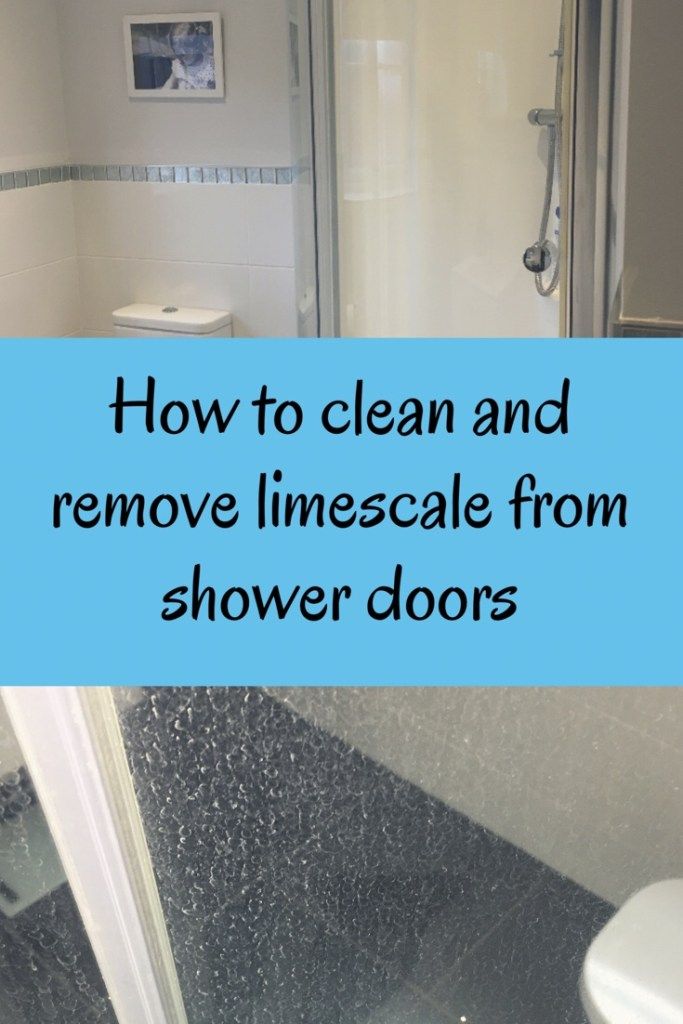


Perform an initial cleaning to remove any surface dirt or residual soap scum. Spray your favorite glass cleaner or a water-vinegar solution (1 part vinegar to 3 parts water) onto the door, then scrub gently with your sponge or cloth. Rinse thoroughly with distilled water and allow the glass to air dry. This prepares the surface for the limescale cleaning process.
Understanding Limescale and Its Causes
The chalky, white deposit you see on your glass shower door is a mixture of calcium and magnesium carbonates, known as limescale. This scaling effect occurs when water evaporates, leaving behind these minerals. Limescale is more prevalent in areas with hard water, but any shower door can be affected over time.


Regular cleaning can significantly reduce limescale buildup, but preventative measures can also minimize its appearance. Consider installing a water softener if your home has hard water, or try applying a sealant to your glass shower door, which can help repel limescale and make cleanup easier.
Saying Goodbye to Limescale: Vinegar to the Rescue
White vinegar is a versatile and effective natural cleaner due to its mild acidity, which helps dissolve limescale buildup. It's safe for most surfaces and free from harsh chemicals, making it an eco-friendly choice for your cleaning arsenal.
Pour undiluted white vinegar into your spray bottle, ensuring it's well-sealed to prevent leaks. Lightly mist the entire glass surface of your shower door, being careful not to over-saturate the area. Allow the vinegar to sit for a few minutes, giving it time to break down the limescale.


Removing Limescale and Final Touches
Now that the limescale has softened, it's time to wipe it away. Slip on your rubber gloves to protect your hands, then use your squeegee or rubber blade to scrub the door in a smooth, side-to-side motion. Be sure to overlap your strokes for a thorough clean.
If your shower door has crevices or hard-to-reach areas, use your shower cleaning brush to gently scrub those spots. Be cautious not to apply too much pressure, as this could scratch the glass. Once the limescale is gone, rinse the entire surface with distilled water to remove any residue.
Preventing Limescale Buildup in the Future
Regular maintenance is key to keeping your glass shower door sparkling and limescale-free. After each use, squeegee the door to remove excess water, and open the shower curtain to allow air to circulate.
For an added layer of protection, apply a sealant designed for glass shower doors. This can help repel water and minimize limescale buildup. Reapply the sealant every six months to maintain its effectiveness.
Congratulations! Your glass shower door is now clean, clear, and free of pesky limescale. With regular maintenance and a little elbow grease, you can keep it that way. Happy showering!
Related Articles
Shower Door Limescale Cleaner: Easy Ways to Remove Scale with Natural Ingredients
Are you tired of scrubbing at your shower door, only to find that those pesky limescale stains just won't budge? You're not alone. Limescale is a common...

Mastering Cleanliness: The Ultimate Guide to Removing Limescale from Rainfall Shower Heads | Effortless & Efficient Methods
Rainfall shower heads are a luxurious addition to any bathroom, providing a drenching, spa-like experience. However, with frequent use, mineral deposits, soap...
Easy Steps to Remove Limescale from Glass Shower Doors
Password123

Vanish Red Stains: Tips to Clean Shower Curtain
If you've noticed some unwelcome red stains on your shower curtain, don't stress – they can be removed with a bit of know-how and the right cleaning tools...

Step-by-Step Guide: Installing Frameless Shower Door Bottom Sweep & Drip Rail
Installing a frameless shower door with a bottom sweep and drip rail not only enhances your bathroom's aesthetics but also ensures optimal functionality and...

Effortless gleam: Mastering glass oven door cleaning
Glass oven doors, while a sleek and modern addition to any kitchen, can become a focal point of grime and grease. Cleaning them can be a challenging task, but...