How to Clean Your Shower with Citric Acid: A Natural Solution
Have you ever struggled with stubborn soap scum, water stains, or mold in your shower? While commercial cleaners can be effective, they often come with harsh chemicals that can be tough on the environment and your skin. That's where citric acid, a natural and powerful cleaning agent, comes in. But how do you use it to clean your shower? Let's dive in and discover the secrets of natural cleaning with this versatile ingredient.
Citric acid, a popular ingredient in the cleaning world, is naturally derived from citrus fruits like lemons. It's a powerful acid that can cut through grime, mineral deposits, and even stubborn stains, making it an excellent eco-friendly alternative to harsh chemical cleaners. When used correctly, citric acid can help you maintain a sparkling, fresh-smelling shower without any harsh fumes or respiratory irritants. So, are you ready to harness the power of citric acid for a squeaky clean shower?
Preparing Your Citric Acid Shower Cleaner
Before you get started, it's essential to understand that citric acid is a mild acid, and while it's safe for most surfaces, it can potentially damage certain materials if not diluted properly. Always perform a spot test on a small, hidden area before applying it to the entire surface. Now, let's get your natural shower cleaner ready.


For a basic citric acid cleaner, you'll need three main ingredients:
- Citric acid - This is the star of the show. You'll typically need about 1/4 to 1/2 cup for a standard-sized shower.
- Water - You'll need enough water to dissolve the citric acid and create a pourable solution. The exact amount will depend on the size of your shower and the severity of the stains.
- White vinegar (optional) - If you're dealing with tough stains or a severe buildup of mold or mildew, adding some white vinegar to your solution can enhance the cleaning power. Start with a 1:1 ratio of citric acid to white vinegar.
Mixing Your Solution
To prepare your citric acid cleaner, start by heating some water in a spray bottle or a large bowl. The heat will help dissolve the citric acid more effectively. Once the water is warm (not hot), sprinkle in your citric acid and allow it to dissolve completely. If you're using white vinegar, add it to the solution now and mix well.


Remember, safety first! Always wear gloves and ensure the room is well-ventilated when working with vinegar, as it can emit strong fumes. If the solution becomes too thick or pasty, add more water to reach your desired consistency. Now that you have your cleaner, it's time to tackle those shower grimes!
Cleaning Your Shower with Citric Acid
Once you have your homemade cleaner, it's time to apply it to your shower. Citric acid works best when given time to break down stains and grime, so try to clean your shower at a time when you won't need to use it for a few hours, or even better, when you can leave it overnight for optimal results.
Before you get started, remove any shower curtains, bath mats, or other accessories that might get in the way or become saturated with the cleaner. Now, follow these steps for a sparkling clean shower:


Spritz and Scrub
Spray your citric acid solution directly onto the shower surfaces, ensuring you cover all the areas with soap scum, water spots, and mold. If you're dealing with severe stains or a stubborn buildup, you might want to let the solution soak in for a few minutes before scrubbing. This allows the citric acid to start working on the stains.
Using a non-abrasive sponge, brush, or cloth, gently scrub the surfaces in a circular motion. Work your way around the shower, using a little elbow grease to lift off the grime. If you find that some spots are still not budging, try letting the solution soak in for a bit longer or applying a poultice made of citric acid and a small amount of water, directly onto the stain.
Maintaining a Clean Shower
Cleaning your shower with citric acid is a fantastic way to tackle tough stains and grime, but maintaining a clean shower between deep cleans is essential to prevent buildups from forming. After each use, wipe down the shower surfaces with a squeegee or a dry towel to remove excess water. This simple step will significantly reduce mold and mildew growth, keeping your shower cleaner for longer.
For regular maintenance, you can create a diluted citric acid spray by mixing 1 tablespoon of citric acid with 1 cup of warm water in a spray bottle. Spray this solution onto the surfaces after each use, and you'll find that your shower stays cleaner for longer, requiring less elbow grease when it's time for a deep clean.
Safety and Precautions When Using Citric Acid
While citric acid is a natural and eco-friendly cleaning agent, it's still a mild acid, and certain precautions should be taken when using it:
Dilution and Contact
Always dilute citric acid properly, and avoid direct contact with your skin or eyes. Wear gloves when handling the concentrated powder, and rinse your skin thoroughly if you accidentally come into contact with it. In case of eye contact, rinse immediately with plenty of water and seek medical attention if irritation persists.
When using citric acid, ensure the room is well-ventilated to prevent the buildup of fumes, especially when mixing it with white vinegar. Keep your homemade cleaner out of reach of children and pets, and always perform a spot test before applying it to any surface.
Surface Compatibility
Citric acid is safe for most shower surfaces, including glass, tile, stainless steel, and porcelain. However, it may not be suitable for surfaces made from natural stone like marble or travertine, as the acid could potentially damage or etch the material. Always check the manufacturer's guidelines for your specific surface material before using any cleaning product.
If you're unsure about using citric acid on your shower surfaces, perform a spot test in a discreet area. If there's no adverse reaction after 24 hours, you can safely proceed with cleaning the rest of the shower.
Storing Your Homemade Cleaner
When storing your homemade citric acid cleaner, keep in mind that it's a natural product, and its effectiveness will diminish over time, especially if exposed to air or light. To prolong its shelf life, store the cleaner in an airtight container or spray bottle and keep it in a cool, dark place until you're ready to use it again.
Regularly checking the solution and discarding it when it no longer effervesces or loses its cleaning power will help ensure that you're using an effective product each time you clean your shower.
Embracing natural, eco-friendly cleaning methods like using citric acid in your shower not only keeps your home fresh and clean but also helps reduce your environmental impact. By harnessing the power of this versatile ingredient, you can maintain a sparkling shower with minimal effort and without exposing yourself to harsh chemicals. So go ahead, give it a try, and enjoy the benefits of a clean, green home!
Related Articles

Shower Curtains - 80 Inch Long: Your Perfect Bathroom Solution
When it comes to updating your bathroom, the details often make the biggest difference. One such detail is the length of your shower curtain, which can either...
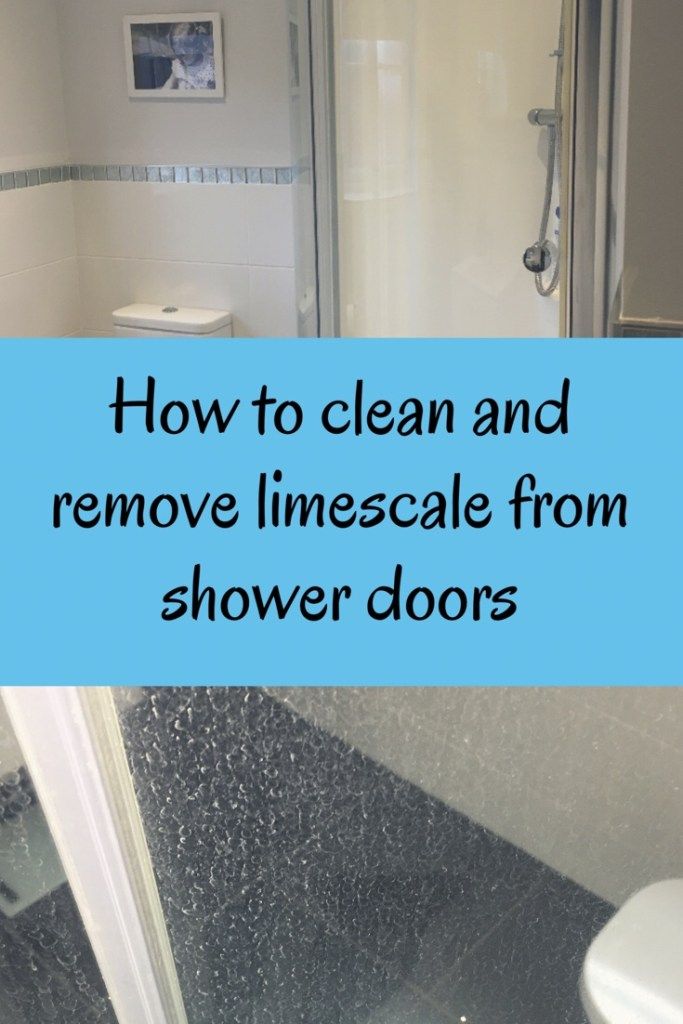
Shower Door Limescale Cleaner: Easy Ways to Remove Scale with Natural Ingredients
Are you tired of scrubbing at your shower door, only to find that those pesky limescale stains just won't budge? You're not alone. Limescale is a common...

Rejuvenate Your Granite Sink: Easy Baking Soda Cleaning Secrets
Keeping your granite sink in pristine condition isn't just about Ceramic Grade cleaner and expensive store-bought solutions. Baking soda, a humble pantry...

Mastering Carpet Care: A Comprehensive Guide to Deep Clean with Your Vacuum
Revitalizing your carpet involves more than just a weekly dusting. A thorough clean can not only make your space feel fresh and inviting but can also mitigate...

Using Baking Soda: How to Clean Your Shower Head the Easy Way
Keeping your shower head clean is not only important for hygiene but also prolongs its lifespan. While vinegar is a common home remedy, it's not your only...

How to Clean Pink Mold in Shower with Hydrogen Peroxide
Has unsightly pink mold taken over your shower? You're not alone. This type of mold, often caused by bacteria like Serratia marcescens, can be a frustrating...