"Modern Elegance: White Penny Tiles with Black Grout"
Ever dreamt of adding a timeless, yet unique touch to your home's flooring? Look no further than the stunning combination of white penny tile with black grout. This classic yet contemporary pairing has been captivating homeowners and interior designers alike, and for good reason. It's a powerful, yet understated way to create a bold statement that's both visually striking and comforting.
The crisp contrast between gleaming white tiles and dramatic black grout is not only aesthetically pleasing but also functional, creating an illusion of a larger space while simultaneously adding depth and texture. Picture it in your mind's eye - a floor that's as charming as it is practical, as luxurious as it is inviting. Let's delve into the enchanting world of white penny tile with black grout, exploring its origin, benefits, layout ideas, and maintenance tips.
Understanding White Penny Tile
Before we dive into the specifics of black grout, let's first understand the star of the show - the white penny tile. Penny tiles, named for their small, circular size (approximately one inch in diameter), have been around for centuries. Historically used in ancient Roman mosaics, these tiny tiles make a striking comeback in the 20th century, almacenating a unique charm that's both vintage and modern.


White penny tiles, with their classic, versatile color, are particularly popular for their ability to effortlessly blend with various design styles. Whether you're aiming for an eclectic, bohemian look or a sleek, minimalistic aesthetic, these small, circular tiles inadvertently add a touch of whimsy, perfection for floors, backsplashes, and walls alike.
Choosing White Penny Tiles
When selecting white penny tiles, consider materials. Glazed ceramic is the classic option, offering durability and easy maintenance. However, for a luxurious feel, porcelain or natural stone can be excellent choices. Porcelain is dense, non-porous and extremely durable, mimicking the look of stone without the high cost. Meanwhile, natural stone like travertine or marble can bring an unrivaled elegance and warmth.


Additionally, consider the texture and finish. Glossy tiles add a reflective quality, accentuating the room's light, while unglazed or textured tiles provide a tactile, rustic feel. Depending on your design preference, you might also opt for white penny tiles with subtle variations in color or veining for a more natural, artisanal look.
The Role of Black Grout
Black grout plays a pivotal role in transforming plain penny tiles into a captivating floor masterpiece. Traditionally, grout matches the tile color for a more uniform look. But using black grout is a bold design move that amplifies the penny tile's visual impact. The stark contrast highlights the circular shape of each tile and emphasizes the tiny, intricate design.
Furthermore, black grout isn't just reserved for aesthetics. It's also a practical choice. Dark grout lines can successfully hide dirt and stains, making maintenance easier. They also provide additional grip, ideal for high-traffic areas like bathrooms, kitchens, and hallways, reducing the risk of slips and falls.


Laying Out White Penny Tile with Black Grout
As with any tiling project, careful planning is key. Decide on the direction and pattern you want for your penny tiles. The most common layouts include:
- Herringbone: Bold and geometric, the herringbone pattern adds visual interest and a touch of sophistication.
- Hexagonal: Perfect for a modern, honeycomb-inspired look.
- Stacked: A simple, linear arrangement that maximizes the penny tile's circular shape.
Consider the room's shape and size when choosing a layout. Smaller rooms might benefit from a subtle, understated design, while larger spaces can accommodate more intricate patterns.
Calculating Tiles and Grout
Before shopping, calculate how many tiles you'll need. Measure your floor's square footage, divide by the square footage of a single penny tile (approximately 0.096 square feet, assuming a 1/16" grout line), and round up to account for breakage. For black grout, allocate approximately 1/8" x 1/8" (0.0625 square feet) per square foot of flooring.
Specialty tile stores or home improvement retailers stock penny tiles and black grout. If your chosen retailer doesn't have them in-stock, consider ordering online. Ensure you compare prices, factoring in shipping costs and potential color or finish variations.
Installation Tips
While hiring a professional ensures a flawless result, some ambitious DIY enthusiasts might attempt installation. Here are some tips:
- Use high-quality, sanded grout for a more durable, consistent finish. Mix well, ensuring it's the consistency of peanut butter, and allow it to sit for 10 minutes before spreading.
- Lay tiles sparingly, using spacers to maintain uniform grout lines. Press gently but firmly to ensure a strong bond.
- After grouting, allow to rest according to package instructions, then clean off excess grout using a damp sponge. Once completely dry, seal the grout lines for stain protection.
Maintenance and Care
Maintaining a white penny tile floor with black grout is surprisingly simple. Regular sweeping and occasional mopping should keep it looking pristine. Here are some additional care tips:
Use a neutral-pH cleaner designed for natural stone or ceramic tile to avoid damaging the seal or altering the tile's color. Avoid harsh chemicals, abrasive sponges, or metal scouring pads. For stubborn stains, a mixture of equal parts white vinegar and water can help. Additionally, for high-traffic areas, consider using flooring protectors beneath furniture to minimize scratching and wear.
Finally, consider how a white penny tile floor with black grout can transform not just your home's aesthetics, but also its overall energy. The balance of light and dark, the play of geometry and texture, all culminate in a floor that's artistic yet inviting, timeless yet contemporary. Embrace this unique blend of old and new, and let its charm cast a spell over your home's atmosphere. After all, a home is more than just a place to live - it's a canvas for self-expression, a space to celebrate our passions, and a sanctuary for the heart. So let your floor's story unfold, and watch as it weaves its part into your home's beautiful tapestry."
Related Articles

Black and White Penny Tile Bathroom: Chic and Timeless Design
Are you renovating your bathroom and looking for a classic yet timeless floor design? Consider incorporating a black and white penny tile floor. This elegant...

Black and White Tile Kitchen Floor Ideas
Imagine stepping into a timelessly elegant kitchen, anchored by a classic black and white tile floor. This bold yet harmonic combination of colors and patterns...

Large Black & White Hexagon Tiles: Modern Class in Flooring
Discover the striking and timeless allure of large black and white hexagon tiles, a design classic that continues to captivate both residential and commercial...
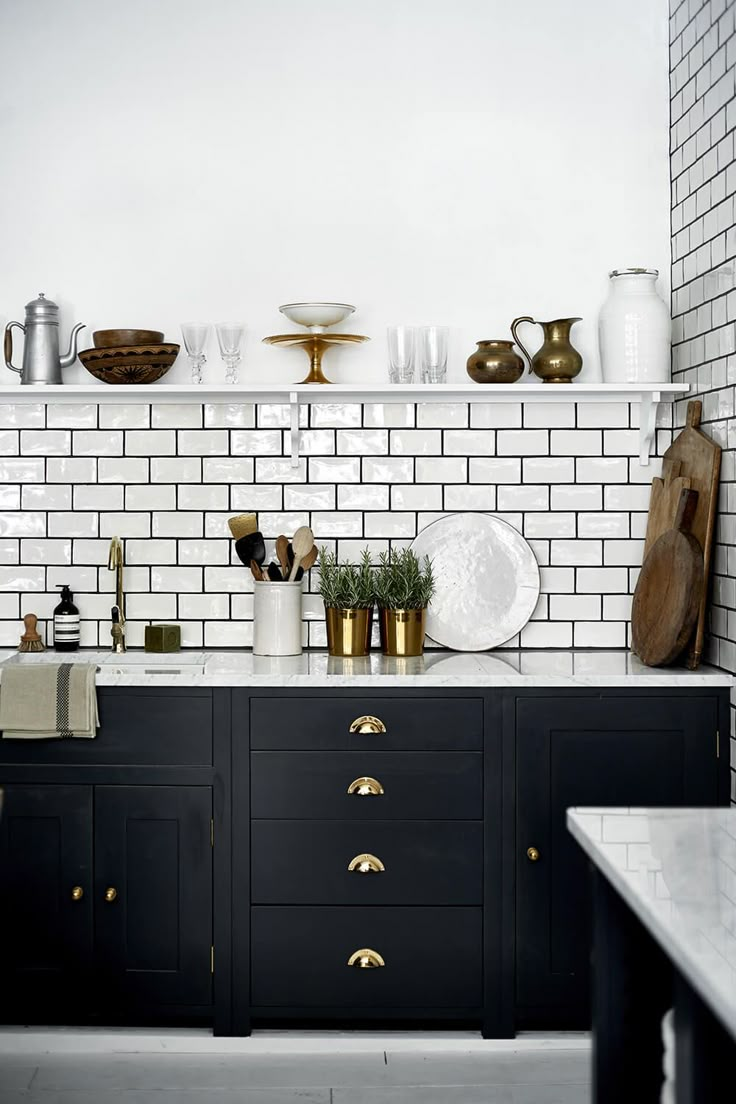
White Subway Tiles with Charcoal Grout: The Stunning Kitchen Combo
The captivating white subway tile with charcoal grout kitchen has been capturing hearts in the world of interior design. This classic yet modern combination...

White Subway Tiles with Dark Grout: Maximizing Contrast in Modern Designs
In the realm of tile and grout combinations, one striking and increasingly popular choice is the use of white subway tiles with dark grout. This classic yet...

Stunning Black & White Penny Tile Bathrooms
Adding depth and dimension to your home's interior design can be as simple as updating one area: the bathroom. Specifically, incorporating black and white...