"Where in the World is the Most Expensive Place to Call Home?"
When it comes to the cost of living, not all countries are created equal. Some shine with affordability, while others glimmer with high prices. But which country takes the crown for being the most expensive to live in? Let's delve into the details to discover the answer.
The cost of living varies significantly around the world, influenced by factors like income, taxes, housing, groceries, and utilities. According to the latest Global Cost of Living Index by Numbeo, which compares over 300 cities in 200 countries, we'll find that the most expensive countries to live in tend to be wealthier nations with high salaries and standards of living.
High Salaries, High Cost of Living
The first factor driving up the cost of living in these countries is high salaries. In exchange for their expertise and labor, residents receive a substantial income. However, this also means that the cost of goods and services is higher than in countries where salaries are lower.


For instance, the averagenet monthly salary in Switzerland, often ranked among the most expensive countries to live in, is around $5,800. While this figure might look inviting, so do prices at local stores. A pair of jeans in Switzerland costs approximately $120, comparing to around $30 in the United States, according to Expatistan.
Housing: The Biggest Expense
Housing is typically the most significant contributor to the cost of living. Luxury apartments, prime locations, and high demand from both locals and expats can drive housing prices sky-high. Take Monaco, for example, a tiny principality nestled within France. Its Mediterranean climate, glamour, and tax advantages make it a desirable place to live. Consequently, housing prices are among the world's most expensive.


According to Global Property Guide, the average price per square meter for an apartment in Monaco is around $44,700. In comparison, the same property in mid-range cities like Indianapolis, USA, or duration Cyril, Australia, would cost approximately $1,000 and $3,000 respectively. This stark difference illustrates how expensive it can be to live in these pocket-sized paradises.
Life's Little Luxuries: Groceries, Dining Out, and Utilities
Expensive countries don't just come with hefty housing prices. Everyday expenses like groceries, eating out, and utility bills can also put a significant dent in one's wallet. Let's look at Japan, another high-cost country. A meager meal at an inexpensive restaurant in Tokyo costs around $10, roughly $5 more than in an average US city like Memphis. Meanwhile, a gallon of gasoline sets you back about $4.50, nearly double what you'd pay in Colombia.
These expenses may seem small individually, but they add up quickly. For instance, although the average monthly net salary in Norway is high at $4,777, the purchase of an iPhone can cost around $1,560 - the highest in the world - according to Numbeo. Little luxuries, seemingly affordable elsewhere, can become significant expenses in countries with a high cost of living.


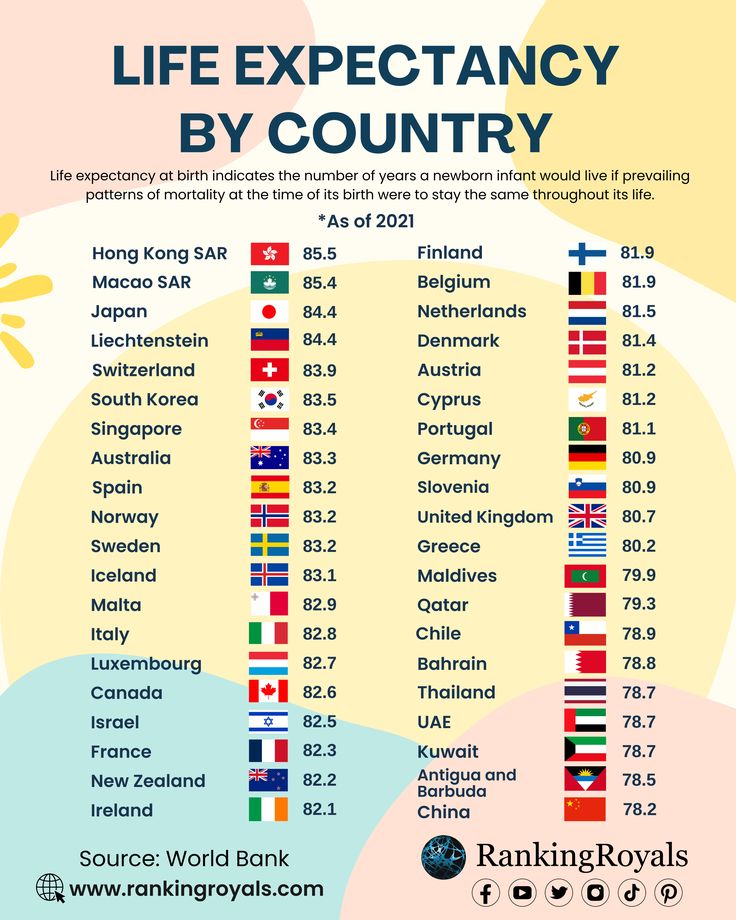


Some of the Most expensive Countries in the World
Where do these expensive countries find themselves on the global cost of living ranking? Let's explore a few examples.
1. **Monaco**: Often topping the most expensive countries list, Monaco's combination of high salaries, luxurious lifestyle, and tax advantages contribute to its stratospheric cost of living. Its tiny size doesn't shy it from high housing prices, with apartments prices roughly $45,000 per square meter.
Switzerland
Holding the top spot for many consecutive years, Switzerland's high cost of living is echoed in its high quality of life. Its cities consistently rank high in global liveability indexes, thanks to factors like political and economic stability, safety, and excellent healthcare and education systems. But all these come at a price: not only high housing costs but also high prices for groceries, dining out, and even public transportation.
Iceland
Located in the North Atlantic, Iceland might seem like an unlikely contender for the most expensive countries list. However, its remote location, limited resources, and high import costs mean that Icelanders pay some of the world's steepest prices for food, gasoline, and other everyday items. Furthermore, while salaries in Iceland are relatively high compared to some European countries, they can barely keep up with high consumer prices.
Taste of future, despite the high cost of living, the sophistication, luxurious lifestyle, and exceptional quality of life make these countries retain their attraction for many. Moreover, expats and locals alike can still tap into a wealth of opportunities, turning the high cost of living into a manageable exchange for a desired lifestyle.
Related Articles

"Unveiling World's Most Beautiful Women: Their Homes Revealed"
The allure of beauty has long captivated the world, leading many to wonder where the most beautiful women reside. This isn't merely a question of appearance...

Henry the Octopus' Habitat: Where Does He Call Home?
If you're a fan of the captivating tale of Henry the Octopus and wonder about his residence, you're not alone. Henry, known for his remarkable intelligence and...

Billionaire Haven: Where Most of the World's Wealthiest Reside
Curious about where the world's wealthiest individuals call home? The distribution of billionaire residences paints an intriguing portrait of global economics...

Largest & Most Expensive House in the World: Who Owns It?
The question of who owns the biggest and most expensive house in the world can spark curiosity and awe. Real estate enthusiasts and the general public alike...

Where to Place Jade Plants in Your Home
Jade plants, known for their striking green leaves and hardy nature, are a popular choice among plant enthusiasts andhomeowners. While they thrive in a variety...

Mirrors in Feng Shui: Where to Place Them in Your Home
Mirrors are powerful tools in Feng Shui, the ancient Chinese practice of creating harmonious living and working spaces. Strategically placing mirrors can...