Vintage Eatery: Iconic Restaurant Names from the Past
Step back in time and indulge in the charm of vintage restaurant names, each a story waiting to be told. These establishments, with their historical significance and timeless allure, don't just serve food; they serve nostalgia. Let's delve into the fascinating world of vintage restaurant names and explore the tales they weave.
Vintage restaurant names often transport us to a bygone era, deciphering societal norms, cultural shifts, and architectural trends of their time. They are a reflection of their creators and the communities they were designed to serve. From the grandeur of "The Crystal Palace" to the simplicity of "Mama's Kitchen," these names are more than mere signage; they are a symphony of history and culinary culture.
Victorian Charm and Opulence
Restaurants भगge(from the late 19th and early 20th centuries often bore names that reflected the Victorian era's love for grandeur, excess, and opulence. These names often included grand terms like "Palace," "Grand," and "Majestic."


Take, for instance, "The Grand Central Palace" in New York City, opened in 1906. This establishment was a testament to the Gilded Age's opulence, boasting a capacity of 4,000 and hosting numerous high-profile events. Its name reflected its ambition and grandeur, attracting the city's elite.
球在 Herstellung
During this period, the use of foreign languages was also popular, reflecting waves of immigration and cosmopolitan influences. Names like "Herrmann's Restaurant," with its Bavarian-style architecture and menu, catered to the city's growing German population in the late 19th century.


Similarly, "Rector's," opened in 1898, was a dining institution that catered to the city's elite. Its name, inspired by_rector_, a term for a university official, reflected its desire to be seen as an institution of refinement and intellectual discourse.
The Roaring Twenties and Beyond
The interwar period, particularly the 1920s and 1930s, saw the rise of speakeasies and lively, vibrant restaurants. These establishments often reflected the Jazz Age's spirit of innovation, exuberance, and the newfound freedom of women. Names were often playful, enticing, or eveneco," "Bogey's," and "The Stork Club" began to appear, reflecting the modern, jazz-infused, and aristocratic tastes of the time.
Alongside these sophisticated spots were diners and lunch counters, offering affordable, quick meals. Here, names like "Mama's Kitchen" or "The Greasy Spoon" suggested comfort, warmth, and familiarity.


постсоветская отправить советов
Post-WWII America saw the rise of franchises, with names like "McDonald's," "Burger King," and "Wendy's" becoming household names. Despite their contemporary success, these names hark back to a simpler time, evoking a sense of nostalgia and familiarity.
Meanwhile, the mid-20th century also saw the rise of "theme restaurants," offering unique, immersive experiences. Names like "Hard Rock Cafe" and "Planet Hollywood" reflected a growing interest in pop culture and entertainment, appealing to a broad cross-section of consumers.
The charm of vintage restaurant names lies in their ability to tell a story, evoke nostalgia, and transport us to another time. Whether it's the grandeur of Victorian opulence, the exuberance of the Jazz Age, or the comfort of a home-cooked meal, these names tell a story of our culinary past. As we continue to embrace new dining experiences, it's important to remember and celebrate the rich history and cultural significance of these vintage restaurant names.
Related Articles
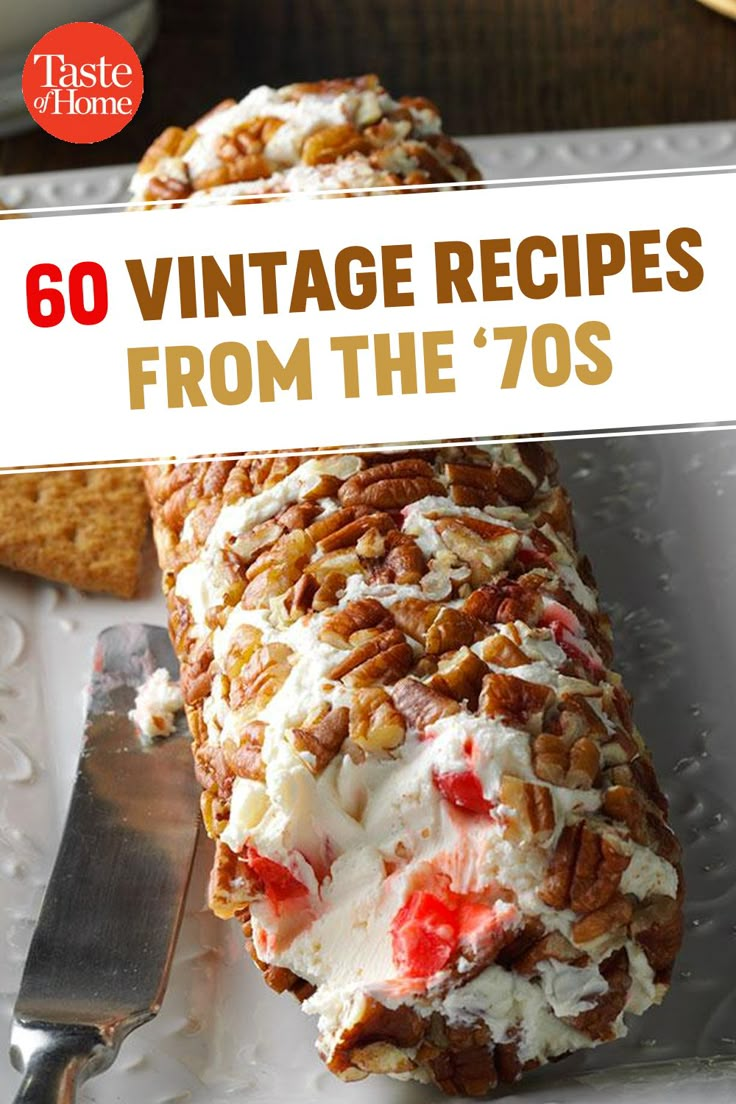
Vintage 70s Baking Recipes: A Blast From the Past
Nestled within the pages of yellowed cookbooks and vintage recipe cards, old baking recipes from the 70s offer a delightful snapshot into the culinary trends...

Discover Vintage Trailers: A Blast from the Past
Ever cruised down the highway and spotted a gleaming, retro-styled camper trailer, causing you to do a double-take? You've likely just laid eyes on a vintage...

Vintage Kitchens: A Blast from the Past - 1960s Retro Design
Step back in time to the groovy era of the 1960s, an iconic decade characterized by bold design, vibrant colors, and innovative materials. The vintage kitchen...

Kitchen Little 90s Toy: A Blast from the Past
Nestled in the heart of the 90s toy craze, Kitchen Littles stand out as a beloved classic, capturing the essence of wholesome fun and imaginative play. These...

Farm-to-Table: Unique Restaurant Names for Your Culinary Haven
Nestled in the heart of the countryside, farm-to-table restaurants have been gaining traction for their unique charm and sumptuous, locally-sourced menus...

Pink Princess TV: A Blast from the Early 2000s Past
Dive into the enchanting world of the early 2000s with Pink Princess TV, a beloved kids' television franchise that captivated young audiences with its...