Tabletop Gardening: Green Thumb in Small Spaces
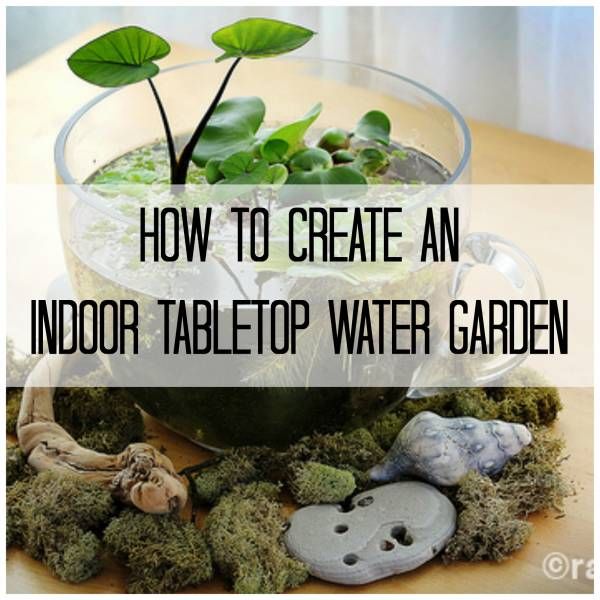
Transforming small spaces into lush, green oases is not only possible but also incredibly rewarding. Welcome to the world of tabletop gardening, where vertical, compact, and efficient growingmethods turn ordinary tables into thriving gardens. Whether you're an urban dweller seeking to green your apartment or a green thumb looking to expand your cultivation skills, tabletop gardening is the perfect way to embark on your gardening journey.
Tabletop gardening offers a myriad of benefits beyond simply adding a touch of nature to your space. It allows you to grow fresh herbs, vegetables, and flowers year-round, it improves indoor air quality, and it provides a unique opportunity for creativity and self-expression. And the best part? It's accessible to everyone, regardless of your experience level or the size of your space.
The Art of Vertical Gardening
At the heart of tabletop gardening lies the art of vertical gardening. By growing plants upwards instead of outwards, you maximize space and create captivating, vertical landscapes. From wall-mounted planters to tiered stands and hanging garden pots, the possibilities are endless.


Invest in planters that suit your space and aesthetic. Wall-mounted or pocket planters are ideal for small spaces, while tiered stands and hanging garden pots create dramatic statements in larger rooms. Don't forget to consider your plants' needs; ensure your chosen planters provide adequate drainage and support for your greenery.
Lighting Considerations
Indoor plants rely on light for photosynthesis, so it's crucial to choose a location that provides adequate sunlight. South-facing windows offer the most light, while east- and west-facing windows provide medium light. North-facing windows offer the least light, making them suitable for shade-loving plants.


For plants that require more light than your space can provide, consider supplementing with artificial grow lights. These are affordable, energy-efficient, and vital for keeping your tabletop garden thriving in low-light conditions.
Soil and Feeding Your Plants
High-quality, well-draining potting soil is the foundation of a healthy tabletop garden. Custom-mix your own or opt for a pre-packaged potting soil designed for your specific plants. Always ensure your soil provides excellent drainage to prevent root rot.
Regularly feeding your plants with a balanced, water-soluble fertilizer will replace nutrients lost during watering and ensure optimal growth. Always follow package instructions and consider the specific nutritional needs of your plants. Herbs, for instance, often require less fertilizer than fruits and vegetables.


Choosing the Right Plants
Selecting the right plants for your tabletop garden is a balance between aesthetics, functionality, and care requirements. Opt for plants with a compact growth habit that thrive in indoor environments. Consider both the light and water needs of your plants, as well as their mature size.
Herbs like basil, parsley, and thyme are popular choices, as are dwarf vegetables like cherry tomatoes, miniature cucumbers, and bush beans. For flowers, consider compact species like African violets, peace lilies, and Chinese evergreens.
Easy-to-Grow Herbs
Growing herbs indoors is a rewarding way to have fresh, flavorful ingredients at your fingertips. Many herbs are low-maintenance and thrive in tabletop gardens. Basil, for instance, requires minimal care beyond regular watering and a sunny windowsill.
Other easy-to-grow herbs include parsley, rosemary, and mint. Keep in mind that some herbs, like mint, can become invasive, so consider growing them in separate containers or in a pot buried among other plants.
Miniature Vegetables
Growing vegetables in your tabletop garden allows you to enjoy fresh produce all year round.Opt for dwarf varieties of vegetables that typically require plenty of space in a traditional garden. Limiting root space can encourage smaller fruits and keep plant size in check.
Cherry tomatoes, miniature cucumbers, and bush beans are excellent choices for tabletop gardening. Keep in mind that all vegetable plants require a source of pollen to produce fruit. If your garden is isolated, you may need to hand-pollinate your plants.
Tabletop gardening is a vibrant, dynamic way to bring nature into your home or office. By exploring vertical gardening techniques and choosing the right plants, you can create a thriving, personalized green space that enhances your environment and nurtures your well-being. So go ahead, grab a table, and start growing!
Related Articles

Unleash Your Green Thumb: Miniature Gardening Pots
In the realm of urban gardening and small spaces, the humble yet versatile small gardening pot emerges as a game-changer. These mini marvels are not just...

Maximize Your Yard: Creative Gardening Ideas for Tiny Spaces
Imagine transforming your small balcony, courtyard, or window sill into a lush, vibrant oasis. With creative gardening ideas tailored for compact spaces, you...

Best Amazon Deals: Top Gardening Supplies for Your Green Thumb
Embarking on a gardening journey can be a rewarding experience, and having the right gardening supplies at your fingertips is key to success. Amazon, a global...

High-Quality Gardening Tool Set: Essential for Every Green Thumb
When it comes to transforming your outdoor spaces into lush, blooming gardens, a high-quality gardening tool set is your secret weapon. A comprehensive...

Is Round or Rectangle Better for Small Spaces?
When navigating the home decor landscape for smaller spaces, choosing the right furniture plays a crucial role. Particularly, when it comes to dining tables, a...

Tiny House Bathroom Ideas: Maximize Small Spaces
Embarking on the tiny house journey often comes with the challenge of maintaining modern comforts in a compact space. One of the most significant aspects to...