Soffit Vent vs Roof Vent: The Ultimate Bathroom Fan Ventilation Showdown
When it comes to bathroom ventilation, choosing the right exhaust fan is crucial for maintaining a comfortable and safe environment. Two popularchoices for bathroom fan installation are soffit vents and roof vents. Both have their advantages and unique features, and the best choice often depends on your specific property. Let's explore the differences between soffit vents and roof vents for bathroom fans.
Bathroom exhaust fans play a vital role in removing moisture, odors, and humidity from your bathroom. Proper ventilation helps prevent mold, mildew, and unpleasant smells, ensuring a clean and fresh space. Now, let's delve into the details of each vent type.
Soffit Vents for Bathroom Fans
Soffit vents are typically installed on the underside of the roof overhang, providing a low-profile, discreet solution for bathroom fan ventilation. They are an excellent choice for homeowners who prioritize aesthetics or have limited roof space.


Soffit fans are generally easy to install and can be replaced with minimal disruption to your roof or home's exterior.
Advantages of Soffit Vents
Discreet appearance: Soffit vents blend seamlessly with your home's architecture, providing a clean, unobtrusive look.


Better suited for smaller homes or properties with limited roof space: Soffit vents can be an excellent solution for homeowners with modest roof areas or those who want to preserve their roof's real estate for installation of other systems, like solar panels.
Potential Drawbacks of Soffit Vents
Potential moisture and mold issues: If not properly installed or maintained, soffit vents can allow moisture to accumulate in the roof rafters, leading to mold and rot.
Limited airflow: Due to their compact design, soffit vents may not provide the same level of airflow as roof vents, potentially compromising the bathroom's ventilation efficiency.


Roof Vents for Bathroom Fans
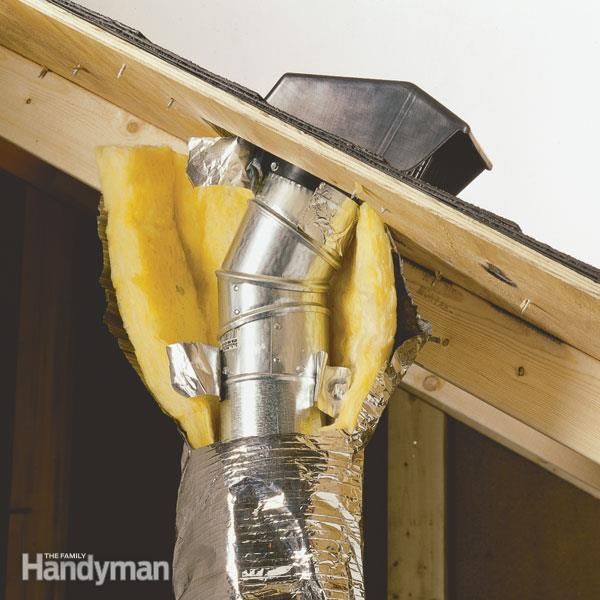
Roof vents, also known as roof-mounted vents, are installed directly on the roof's surface. They are typically bulkier and more noticeable than soffit vents but offer several benefits in terms of ventilation efficiency.
Roof vents are generally louder than soffit vents due to their larger size and direct exposure to outdoor elements.
Advantages of Roof Vents
Superior airflow: Roof vents provide better ventilation and exhaust capabilities, as they have a larger intake area and can accommodate more powerful fans.
Durability: Roof vents are typically made of durable materials like galvanized steel or plastic, making them resistant to weathering and other environmental factors.
Potential Drawbacks of Roof Vents
Visible and less aesthetically pleasing: Roof vents are larger and more conspicuous, which might detract from your home's curb appeal and warranty potential compliance issues with certain roofing materials.
Higher installation and maintenance costs: Due to their size and complexity, installing and maintaining roof vents can be more expensive than soffit vents.
In your quest for the perfect bathroom ventilation solution, carefully weigh the pros and cons of soffit and roof vents. Consult with a professional if you're unsure about the best option for your specific home. Optimal ventilation is crucial for maintaining a comfortable, safe, and well-maintained bathroom space.
Related Articles

Mastering Bathroom Ventilation: Custom Soffit Vent Covers
A bathroom soffit vent cover, while often overlooked, plays a crucial role in maintaining optimal indoor air quality and safety. It serves as a vital component...
Maximize Ventilation, Minimize Overhead: The Cost to Vent Bathroom Fan Through Roof
Have you recently been faced with the daunting task of venting your bathroom fan through the roof? While it might initially seem like a straightforward...

Best Bathroom Roof Vent Cap: Top Choices for Efficient Ventilation
Keeping your bathroom well-ventilated is crucial for maintaining a healthy and comfortable space. A high-quality bathroom roof vent cap is essential for...

Brushed Nickel Bathroom Exhaust Fan with Light: Ultimate Style & Ventilation
Update your bathroom to modern day's standards with the sleek and functional addition of a bathroom exhaust fan with light, available in a brushed nickel...

Bathroom Roof Vent Hood: Top Picks & Installation Guide
Ever felt a chill during winter or arrested sweat in summer due to your bathroom's stuffy air? It's time to consider installing a bathroom exhaust vent hood...

Drop-in vs Undermount: The Ultimate Bathroom Sink Showdown
The choice between a drop-in sink and an undermount sink for your bathroom can significantly impact both aesthetics and functionality. Both designs have unique...