Kitchen Units: Streamline with Integrated Appliances
When designing a modern kitchen, functional and efficient use of space is crucial. Integrated appliances, seamlessly incorporated into kitchen units, have become a go-to solution for homeowners and interior designers alike. Let's delve into the world of kitchen units designed for integrated appliances, exploring the benefits, types, and best practices for your dream kitchen.
Integrated appliances, as the name suggests, are designed to integrate with your cabinetry, creating a sleek, unbroken line across your kitchen. They aim to maximize usable space, improve functionality, and enhance the overall aesthetic appeal of your kitchen. But before we dive deeper, let's first understand why integrated appliances are a popular choice.
Benefits of Integrated Appliances in Kitchen Units
Integrated appliances offer a plethora of benefits, transforming your kitchen into a seamless, clutter-free space. They not only enhance the visual appeal but also provide improved functionality and convenience.


One of the primary advantages is the ability to create a cohesive, symmetrical look. By matching the color, finish, and design of your kitchen units, appliances can become virtually invisible, creating a sense of harmony and balance in your kitchen. This seamless integration is particularly beneficial in small spaces, as it can make your kitchen feel larger and more spacious.
Improved Space Utilization
Integrated appliances save precious kitchen real estate. By incorporating them into your kitchen units, you can reclaim countertop space, reducing clutter and providing more room for meal preparation and entertaining.

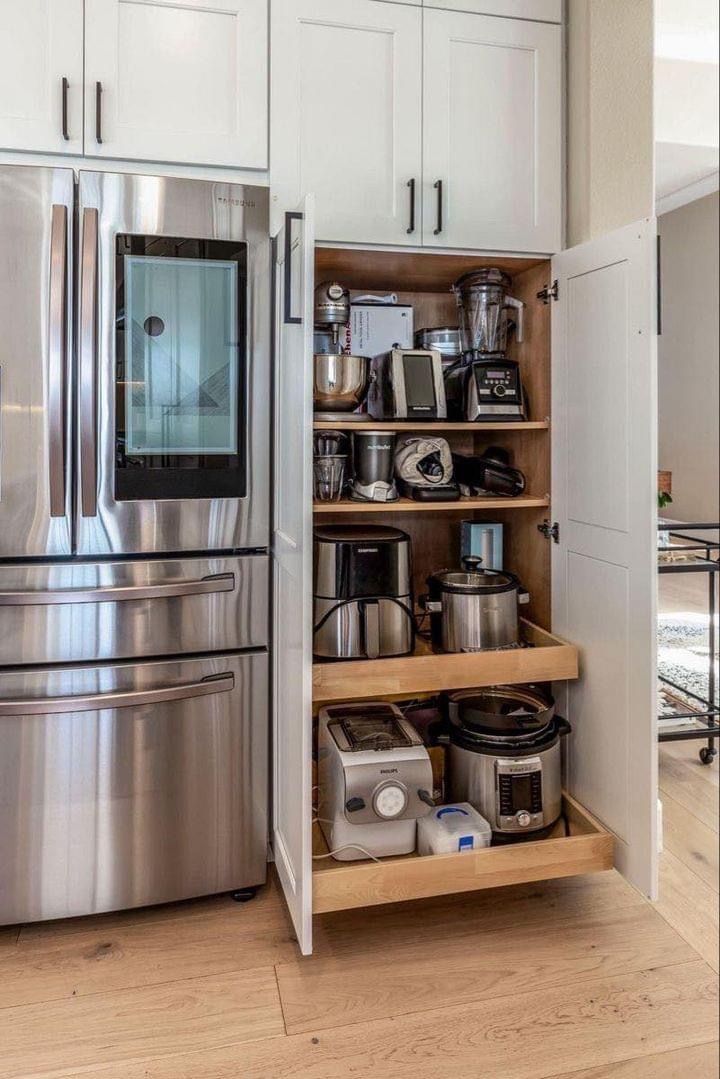

With conventional appliances, you often end up with awkward gaps between units, wasting valuable space. In contrast, integrated appliances fit snugly within your cabinetry, maximizing your kitchen's usable space and creating a more efficient work triangle.
Enhanced Safety and Cleanliness
Integrated appliances, especially in terms of cooker hoods and dishwashers, can help maintain a cleaner and safer kitchen environment. For instance, an integrated cooker hood, positioned directly above your appliances, effectively captures steam, grease, and odors, keeping your kitchen air fresh and your surfaces clean.
Similarly, integrated dishwashers, located beneath the countertop, eliminate the need for a standalone unit, reducing the risk of water spills and making it safer for children and pets to be in the kitchen.


Types of Kitchen Units for Integrated Appliances
The market offers a range of kitchen units designed for integrated appliances, each catering to different needs and preferences. Let's explore some popular options:
**Full-Width Appliance Cabinet** - These cabinets span the full width of the unit, offering ample space for large integrated appliances like ovens, fridge-freezers, or dishwashers. They provide generous storage and create a cohesive look across your kitchen.
Column Units
Column units, such as those used for integrated fridges or freezers, are standalone cabinets designed to blend in with your kitchen units. They provide the flexibility to position appliances strategically around your kitchen, optimizing workflow and accessibility.
**Cavity Units** - Cavity units are designed with a specific size and shape to accommodate a particular appliance. They are typically used for integrated cooker hoods, ovens, or microwaves. These units are custom-tailored to fit specific appliances, ensuring a perfect, seamless integration.
Wall Units and Tall Units
Wall units and tall units are ideal for integrated appliances that need to be kept at eye level or above, such as wall ovens, coffee makers, or wall-mounted cooker hoods. They maximize vertical space and maintain a sleek, clutter-free look in your kitchen.
Integrated appliances can be combined with a variety of kitchen styles and decors. Whether you prefer a traditional, modern, or transitional look, there's an integrated appliance unit to fit your needs.
Best Practices for Incorporating Integrated Appliances
Planning is key when designing a kitchen with integrated appliances. Here are some best practices to help you create a functional, beautiful space:
** identifY Your Work Triangle** - The work triangle is the imaginary line connecting your sink, cooker, and refrigerator. Ensure your integrated appliances are strategically placed to optimize this work triangle, improving efficiency and reduced foot traffic in your kitchen.
Allow for Ventilation
Integrated cooker hoods or wall-mounted extractor fans must have adequate space above them for proper ventilation. Ensure you follow the guidelines set by the appliance manufacturer to maintain safety and performance.
**Consider Plumbing and Electrical Requirements** - When planning your kitchen layout, factor in the necessary plumbing and electrical connections for your integrated appliances. This may influence where you position your units and how you stack them.
Test Your Design Beforehand
Before you commit to a design, create a scale model or use 3D rendering software to visualize your kitchen layout. This will help you identify potential issues, such as awkward access to appliances or insufficient countertop space, allowing you to make adjustments before installation begins.
Integrating appliances into your kitchen units is a smart, convenient way to maximize space and create a sleek, streamlined look. By understanding the benefits, types, and best practices, you're well on your way to designing the perfect kitchen for your home. So go ahead, dream big, and let your culinary adventures begin in a space that's not just functional but also a reflection of your unique style.
Related Articles

One Bowl Kitchen Sink with Drainboard: Streamline Your Cleanup
Ever wished for a kitchen sink that combines functionality and convenience? Meet the one bowl kitchen sink with drainboard, a stylish and efficient solution...

White Kitchen with Black Appliances: Stunning Pictures
Imagine this: sleek, glossy white cabinets gleaming under a soft, natural light, contrasting against the depth of black appliances anchoring the space. This...

Best Kitchen Colors to Compliment Stainless Steel Appliances
When it comes to kitchen design, the appliances you choose set the tone for the entire space. Stainless steel appliances, with their sleek and modern...

What Colors Match White Kitchen Cabinets
When it comes to designing your dream kitchen, one of the most impactful decisions you'll make is choosing the right tiles to complement your white kitchen...

What Color Paint Goes Best with White Kitchen Cabinets
When designing a white kitchen, one of the most significant decisions is choosing the perfect color palette for your cabinets and units. While white walls and...

"White Kitchen Units with Grey Walls"
White kitchen units coupled with grey walls are currently experiencing a surge in popularity among homeowners and interior designers alike. This pairing of...