Ultimate Kitchen Appliance Setup
When it comes to designing a functional and efficient kitchen, one of the most crucial aspects is setting up your appliances in a well-thought-out manner. A strategic kitchen appliance setup can not only enhance productivity but also create a safer and more enjoyable cooking experience.
Effective planning begins with understanding your kitchen's layout and your personal cooking habits. This guide will walk you through the process of setting up your kitchen appliances, ensuring you leverage your space to its fullest potential.
Layout considerations for kitchen appliance setup
Before you start placing your appliances, take a moment to consider your kitchen's layout and work triangle. The work triangle refers to the arrangement of the sink, stove, and refrigerator, which are the three most frequently used points in a kitchen. Ideally, the distance between these points should not exceed 27 inches to optimize workflow and minimize steps.

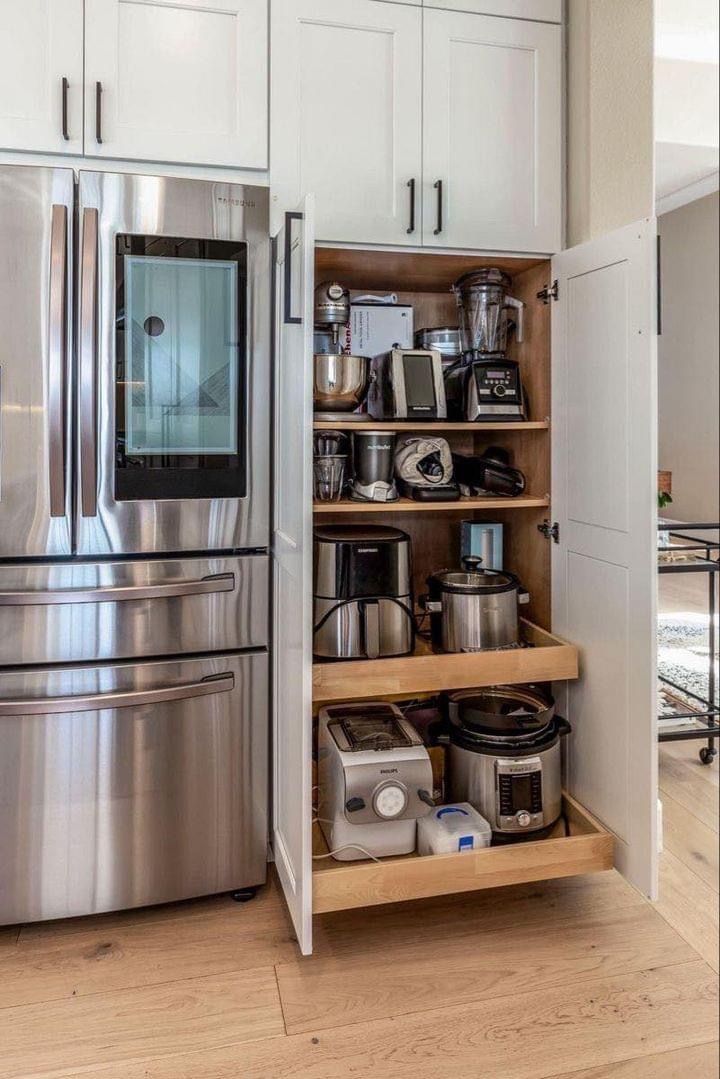

Additionally, consider the natural flow of traffic in your kitchen. Appliances should be positioned to allow for easy access and ample space for movement, particularly around appliances that open like ovens or dishwashers.
Zone-based planning
Divide your kitchen into zones based on function, such as cooking, cleaning, prep, and food storage. Grouping compatible tasks and appliances together can streamline your workflow and create a more intuitive kitchen design. For instance, keep your cooktop, oven, and range hood in the cooking zone. Place your refrigerator, freezer, and pantry near each other for efficient food access and storage.


Use this zone-based approach to determine the best positions for your appliances.번에 Oxford, appliances like the refrigerator and dishwasher may require specific placement due to water and electrical connections. Ensure you understand the limitations and requirements of your appliances before committing to a layout.
Appliance placement hierarchy
After zoning, prioritize your appliances based on frequency of use and size. Major appliances such as refrigerators, ovens, and cooktops should be placed where they can support your most common tasks. Consider the visibility and accessibility of your appliances as well. Ideally, appliance doors should swing outwards towards the center of the kitchen for easy access and to prevent doors from banging into walls or cabinets.
Finally, consider using built-in or integrated appliances for a sleek, cohesive look. Built-in appliances are designed to fit seamlessly into your cabinetry, giving your kitchen a custom, high-end feel.


Essential appliances and their optimal placement
Once you've established your kitchen's zones and work triangle, it's time to discuss specific appliance placements. Here are some guidelines for positioning your essential kitchen appliances for maximum efficiency:
Refrigerator and freezer
The refrigerator and freezer are typically the largest appliances in the kitchen and should be placed near the entrance for easy unloading of groceries. For optimal freshness, place them within reach of your prep counter to minimize the distance your ingredients have to travel.
Additionally, consider placing your refrigerator on an exterior wall if possible, as this can help regulate its temperature and reduce energy consumption. If you're planning to include a separate freezer, position it near the refrigerator but not directly adjacent, as this can cause excess heat buildup.
Cooktop and range hood
The cooktop or stove is a central element in any kitchen and should be placed near your prep counter for easy ingredient access. Position it so that it faces the main cooking area, allowing you to interact with other chefs or keep an eye on your little ones playing nearby.
A range hood should always be installed above your cooktop to safely remove grease, smoke, and odors from the air. Ensure your range hood is correctly sized for your cooktop and vented to the exterior for optimal performance.
Oven and microwave
When it comes to oven placement, consider your primary cooking needs. If you frequently bake, place your oven near your prep counter or within reach of your refrigerator for easy ingredient access. Alternatively, if you primarily use your oven for cooking casseroles or roasts, position it near your dining area for easy serving.
Microwaves are typically positioned below or adjacent to the oven for easy reach and to maintain a cohesive look. However, consider relocating your microwave to a lower cabinet if it's more convenient for step-stool-free access, especially for younger family members.
Dishwasher
The dishwasher is another critical component of your kitchen's cleaning station. To optimize efficiency, place your dishwasher near your sink to create a natural workflow. This allows you to pre-clean and scrape dishes directly into the sink before loading them into the dishwasher.
If possible, position your dishwasher within reach of your prep counter as well, allowing you to quickly unload clean dishes and utensils while preparing meals. Additionally, consider using a drawer-style dishwasher for easy accessibility.
Your kitchen's appliance setup can significantly impact the overall functionality, safety, and enjoyment of your culinary space. By following these guidelines and adapting them to your specific needs, you can create a well-appointed kitchen tailored just for you. Happy cooking!
Related Articles

Stylish Black Kitchen Appliance Complement: Best Cabinet Colors for 2021
Black appliances have a bold, striking presence in the kitchen, demanding attention and creating a timeless, sophisticated aesthetic. But when it comes to...

White Kitchen with Black Appliances: Stunning Pictures
Imagine this: sleek, glossy white cabinets gleaming under a soft, natural light, contrasting against the depth of black appliances anchoring the space. This...

Ultimate Kitchen Layout with Island Measurements: Perfect Spaces, Sizes & Tips
Designing a kitchen layout with an island is a popular choice for modern homeowners. Not only does it provide extra counter space and seating, but it also...

"Kitchen Remodel Cost: No Appliance Replacements"
Kitchen remodels can significantly enhance your home's value and your daily life, but it's crucial to understand the costs involved. While new appliances often...

Best Kitchen Colors to Compliment Stainless Steel Appliances
When it comes to kitchen design, the appliances you choose set the tone for the entire space. Stainless steel appliances, with their sleek and modern...

Kitchen Appliance Examples: Modern Essentials
Imagine equipping your kitchen with devices that streamline tasks, enhance food preparation, and make the space more functional. These are the roles of kitchen...