Is Vinegar a Natural Degreaser?
In the ever-growing quest for eco-friendly and natural cleaning solutions, one everyday ingredient has consistently raised an eyebrow: vinegar. Its pungent scent and versatile uses have sparked the question, "Is vinegar a natural degreaser?" Let's delve into the science behind this wonder liquid to unravel the truth and explore its potential as a grease-fighting powerhouse.
Vinegar, primarily composed of acetic acid, is renowned for its acidic properties. This acidity, coupled with its ability to lower surface tension, enables vinegar to break down and dislodge grease and grime. But can it truly compare to harsh chemical degreasers? To understand this, we need to explore the science of degreasing and evaluate vinegar's capability across various surfaces and grease types.
Understanding Degreasing
The primary goal of degreasing is to remove oils, fats, and grease from surfaces. This process involves two key steps: dissolution and emulsification. Dissolution requires the cleaner to break down the grease, while emulsification helps to suspend and lift the grease from the surface. Let's examine how vinegar fares in these critical steps.


Vinegar's acidity plays a pivotal role in degreasing. Fats and oils are known to break down in mildly acidic environments, a reaction known as saponification. By lowering the pH, vinegar encourages this breakdown, thereby dissolving grease. Additionally, vinegar's low surface tension facilitates its penetration into greasy crevices, promoting thorough cleaning.
Cleaning Cookware
One of vinegar's most praised uses is cleaning burnt-on grease from cooking surfaces like stovetops, ovens, and grills. To test its degreasing prowess, try soaking a cloth or sponge in white vinegar and applying it directly to the greasy surface. Let it sit for 15-30 minutes, then scrub gently with a non-abrasive sponge or cloth. The grease should lift away readily, attesting to vinegar's degreasing power.


For starch-based greases, like those found on pizza stones or baking sheets, vinegar can be used in combination with baking soda. Sprinkle baking soda over the grease, then spray or apply vinegar, creating a fizzing reaction. Allow this mixture to sit for 15-30 minutes before scrubbing clean. This combination of acid and base creates an ideal environment for degreasing and stain removal.
Degreasing Machinery and Tools
Vinegar's ability to cut through grease extends beyond kitchen surfaces. Its versatility makes it an effective degreaser for mechanical parts and tools, such as car engines, bicycle chains, and power tools. Create a vinegar-soaked cloth or sponge, then use it to wipe down greasy surfaces. The acidity in vinegar helps to break down and dissolve stubborn grease, leaving surfaces clean and corrosion-free.
For heavily greased tools or machinery, consider creating a vinegar bath. Submerge the items in a large container filled with white vinegar, ensuring they're fully submerged. Allow them to soak for several hours or overnight, then scrub clean with a wire brush or steel wool. If necessary, follow up with a thorough rinse to neutralize any residual acidity.


The Limitations of Vinegar as a Degreaser
While vinegar exhibits impressive degreasing capabilities, it's essential to recognize its limitations. Due to its acidity, vinegar can damage certain surfaces. Avoid using it on marble, granite, or other acid-sensitive stones, as it may cause etching or discoloration. Additionally, vinegar's strong scent can be off-putting and may linger on surfaces if not properly rinsed or neutralized.
In professional or heavy-duty degreasing applications, vinegar may not be sufficient on its own. It may not match the potency of specialized, commercially available degreasers designed for industrial use. However, for most household cleaning tasks, vinegar's natural, non-toxic, and affordable properties make it an excellent grease-fighting contender.
Boosting Vinegar's Degreasing Power
To enhance vinegar's degreasing abilities, consider combining it with other natural ingredients. For instance, mixing equal parts vinegar and baking soda creates a powerful foaming action that lifts grease and grime from surfaces. Similarly, adding a few drops of dish soap to vinegar creates a cutting-edge grease solvent that penetrates and breaks down greasy residues.
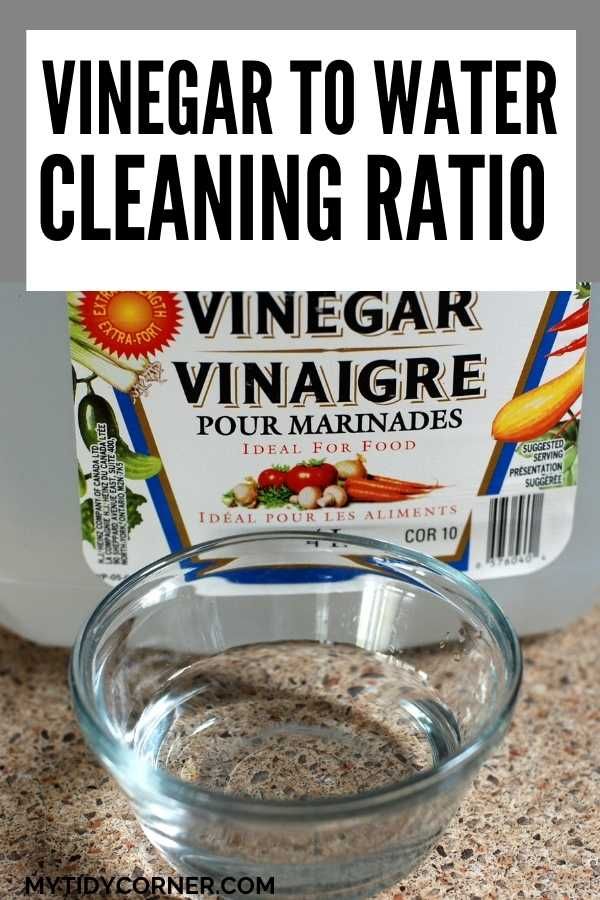
Another approach is to create a vinegar cleaning spray by mixing equal parts white vinegar and distilled water in a spray bottle. This solution can be used to tackle grease buildup on various surfaces, from kitchen cabinets to bathroom fixtures. By experimenting with these combinations, you can tailor vinegar's degreasing power to suit your specific cleaning needs.
Incorporating vinegar into your cleaning routine not only yields an effective degreaser but also promotes a healthier, eco-friendly home. By harnessing the power of nature, you're reducing your reliance on harsh chemicals and embracing a safer, more sustainable approach to keeping your spaces clean and grease-free. So, go ahead and embrace the pungent yet powerful vinegar – after all, it's just a bottle away from making your home sparkling clean.
Related Articles

DIY Baking Soda Vinegar Recipe: Natural Drain Cleaner Solution
Struggling with a clogged drain but want to avoid harsh chemicals? You're in luck! This DIY recipe using vinegar and baking soda is an eco-friendly and...

Natural Wool Rug Cleaning: Baking Soda & Vinegar Method
Have you noticed your once-vibrant wool rug starting to lose its luster? Before you consider replacing it, why not try a simple, cost-effective, and...

Vinegar & Dawn Shower Glass Cleaning: Natural & Effective Way
_NORMAL: Tired of scrubbing your shower glass with harsh chemicals and strong cleaning agents? It's time to try a natural, cost-effective solution - cleaning...
Best Homemade Degreaser Recipes: Natural & Effective
Looking to tackle grease buildup around your home without using harsh chemicals? Look no further than these top homemade degreasers that are not only effective...
Natural Kitchen Sink Degreaser
hydroxyl upgrading from greasy accumulate, a kitchen sink's enemy number one, is a must in any sound cleaning routine. But why resort to harsh chemicals when...

Vinegar and Baking Soda: The Natural Shower Drain Deodorizer
Tired of greeting guests with an unpleasant shower drain smell? Don't let that odorous welcoming committee persist any longer. Vinegar and baking soda, two...