How to Make a Perfect Round Dining Table Top
Elevate your dining space with a stunningly crafted round dining table top. This versatile and elegant design choice can transform any room into an inviting and functional hub. But how do you go about creating this timeless piece? Here's a comprehensive guide to help you make a round dining table top with ease.
Before we delve into the steps, let's discuss why a round dining table top might be the perfect choice for your home. Round tables encourage conversation and connectivity, they're space-saving, and they offer a unique aesthetic that can brighten up any room. Now, let's dive into the process of making one.
Selecting the Right Material and Size
Your first crucial decision is choosing the appropriate material and size for your round dining table top. The most common materials are wood, glass, and metal.


Wood provides a warm, natural look and feel, while glass offers a sleek, modern appeal. Metal, such as brass or iron, brings a touch of industrial style. Each material has its unique properties, so consider your interior design, maintenance needs, and budget when making this decision.
Wooden Table Top
Wood is a classic and versatile choice for a dining table top. It offers a wide range of species, colors, and grains to suit various styles. For a round table, choose a writing or a predetermined circle cut from a log. Alternatively, you can make a plywood circle and add a decorative edge.

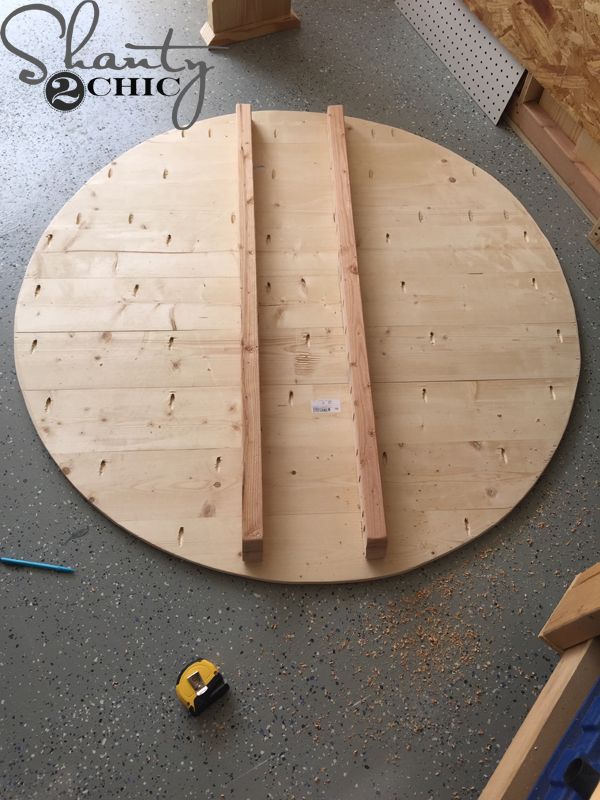

If you opt for solid wood, ensure the piece is seasoned to minimize warping. Also, consider the direction of the grain for added strength and visual appeal. Maple, oak, and walnut are popular choices for dining tables due to their durability and warm tone.
Glass Table Top
Glass table tops add a touch of sophistication and lightness to your dining space. They're easy to clean and can make a room feel more spacious. Tempered glass is the best choice for dining tables as it's stronger and less likely to shatter than regular glass.
To determine the size, measure your dining area and consider the space needed for chairs. A table top with a diameter of 42" to 48" can comfortably seat four to six people. For larger gatherings, consider a table top up to 60" in diameter.


Creating a Round Table Top
Once you've selected your material, it's time to create your round dining table top. This process varies slightly depending on your chosen material, but the core steps remain the same.
First, determine the size of your table top. This includes both the diameter and the thickness. Standard thicknesses range from 1.5" to 2" for wooden tops and 3/4" to 1" for glass tops. Once you have your dimensions, you can begin the construction process.
Wooden Table Top
If you've chosen a solid wood table top, you'll need to construct the piece using a jigsaw or a combination of tools. Begin by drawing a circle on your wooden slab, ensuring it's centered. Then, use a jigsaw to cut along the line, creating a rough circle.
Next, sand the edges of your table top to remove any rough spots and ensure a smooth finish. You can then apply your desired stain or finish, allowing it to dry according to the manufacturer's instructions.
Glass Table Top
Creating a round glass table top is a more straightforward process. After determining the size and thickness, order your glass from a supplier. Ensure they can cut the glass to your desired dimensions and edges, such as polished or beveled.
If you prefer a DIY approach, you can cut the glass using a wet saw or a glass cutter. However, this method requires caution and proper safety equipment, as glass can shatter if not handled correctly.
Regardless of the material, ensure your table top is even and stable. For wooden tops, adding a supportive base, like a pedestal or a proper wooden skirt, can help distribute weight evenly. For glass tops, consider using a metal or wooden base to support the table and provide additional stability.
Final Touches
After your table top is complete, add the finishing touches to make it uniquely yours. For wooden tops, consider adding a custom edge, such as a routed design or a traditional bevel. For glass tops, you can add unique detail with a sandblasted design or etched details.
Don't forget to protect your table top with a durable and easy-to-clean finish. For wood, opt for a water-resistant and low-sheen finish. For glass, use a non-toxic, Guardsman-style spray to protect against water spots and scratches.
Creating a round dining table top is a rewarding process that combines functionality and aesthetics. Whether you choose wood, glass, or metal, your new table is sure to become the centerpiece of your dining space. So, gather your materials, follow these steps, and enjoy the process of bringing your custom dining table top to life. Happy creating!
Related Articles

Perfect Size: Dining Room for 60 with Round Table
nothing is more delightful than selecting the perfect furniture piece for your dining room, especially when you're looking to accommodate a grand dinner party...

Perfect 4-Person Wooden Round Dining Set: Table & Chairs
The search for a perfect small round dining table for 4 just got easier. Imagine hosting intimate gatherings in style, enjoying sumptuous meals with loved ones...

Perfect Dining Tables to Complement Wishbone Chairs
When it comes to choosing furniture that complements Wishbone Chairs, the possibilities are broad and exciting. Wishbone Chairs, with their sleek, iconic...

Round Table on Rectangular Rug: A Stylish & Functional Combo
An essential element of interior design is the harmony between your furniture and flooring. A common question in this realm is whether it's advisable to place...

Perfect Size for Six: Average Dining Table Dimensions
The average dining table size for six people is a often debated topic among homeowners, interior designers, and furniture enthusiasts alike. But when you're...

Mid-Century Modern Round Kitchen Table for Cozy Dining
Since the mid-20th century, the kitchen has evolved from a space primarily used for cooking to the heart of the home, where families gather, work, and play. A...