How To Remove Hard Water Stains From Shower Doors
Hard water stains are a common and often unsightly problem in many households, especially in areas with hard water. Shower doors, in particular, are at the mercy of these mineral deposits, which can dull their appearance and affect their functionality over time. The good news is that removing hard water stains from shower doors is a manageable task, and this guide will walk you through the process step by step.
Before we delve into the techniques, it's essential to understand what hard water is. Hard water is water that contains a significant amount of dissolved minerals, primarily calcium and magnesium. These minerals leave behind deposits that, over time, form the unsightly stains we're looking to remove. Now, let's explore how to clean these stains effectively and safely.
Preparation: Gather Your Tools and Materials
Before you start, it's crucial to gather the right tools and materials to ensure the cleaning process goes smoothly. The following are the essentials you'll need:


- White vinegar
- Baking soda
- Liquid dish soap or a glass cleaner
- Water (distilled or softened, if possible)
- A non-abrasive sponge or cloth
- A soft-bristled brush or toothbrush (for scrubbing)
- Rubber gloves (to protect your hands)


Safety First: Protect Yourself and Your Surroundings
Wearing gloves will protect your hands from harsh chemicals, and it's a good idea to wear old clothing in case of spills. Additionally, ensure proper ventilation by opening nearby windows or turning on the exhaust fan in your bathroom.
To protect your shower surroundings, it's best to cover the floor and surrounding areas with towels or old sheets to catch any drips or spills. This will make the cleanup process easier and help prevent stains on neighboring surfaces.
Method 1: The Vinegar and Baking Soda Combo
The combination of white vinegar and baking soda is a popular and effective duo for removing hard water stains. Vinegar's acidity helps to break down the mineral deposits, while baking soda provides gentle scrubbing action and boosts the cleaning power.


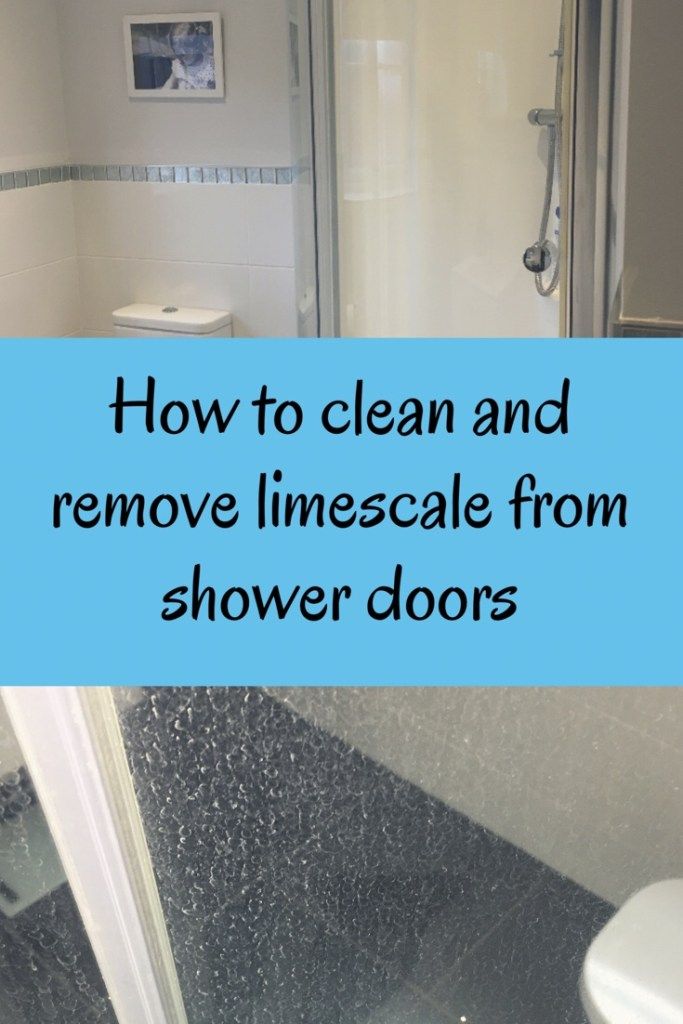

To use this method, first, sprinkle a generous amount of baking soda onto a dampened sponge or cloth. Then, pour some white vinegar into a spray bottle and lightly mist the affected areas. The baking soda will foam up slightly when it comes into contact with the vinegar, which is perfectly normal and indicates that the cleaning process has begun.
Application and Scrubbing
Next, use a soft-bristled brush or toothbrush to gently scrub the stains, working in small sections at a time. Ensure that you're applying even pressure to avoid scratching the glass. If the stains are particularly stubborn, you may need to let the mixture sit on the surface for 15-30 minutes before scrubbing.
Rinse the area thoroughly with clean water and inspect your progress. If the stains have lifted, use a clean, damp cloth or squeegee to wipe the surface dry. If some stains persist, repeat the process until they're completely gone.
Tips for Enhanced Results
If you find that the vinegar and baking soda method isn't cutting it, you can try adding a tablespoon of liquid dish soap to the spray bottle containing the vinegar. Shake the bottle to combine the ingredients, and use this mixture to apply and scrub the stains as previously described.
For an extra boost, you can also create a paste by mixing 1/2 cup of baking soda with enough white vinegar to form a spreadable consistency. Apply the paste to the stains, let it sit for 15-30 minutes, and then scrub and rinse as usual.
Method 2: Commercial Cleaners and Glass Cleaners
For those who prefer a store-bought solution, commercial cleaners and glass cleaners can be effective in removing hard water stains. These products are specifically designed to tackle minerals and other surface contaminants, making them a viable option when homemade remedies aren't up to the task.
When using commercial cleaners, it's essential to follow the manufacturer's instructions for the best results. Typically, you'll spray the cleaner onto the affected areas, let it sit for a few minutes, and then scrub and rinse as usual. Be sure to wear gloves and work in a well-ventilated area to protect your hands and lungs from potential irritants.
Choosing the Right Commercial Cleaner
When selecting a commercial cleaner, look for products specifically labeled as glass cleaners or mineral deposit removers. These are typically formulated with ingredients that target hard water stains effectively. Some popular options include Invisible Shield Glass Cleaner, CLR Stainless Steel & Multi-Surface Cleaner, and Weiman Glass Cook Top Cleaner.
If you opt for a glass cleaner, it's a good idea to use a squeegee or moisened cloth to wipe the surface after rinsing to ensure a streak-free finish. For commercial cleaners, always refer to the product label for proper usage and storage instructions.
Preventing Hard Water Stains in the Future
Now that you've successfully removed the hard water stains from your shower doors, it's essential to take preventive measures to keep them at bay. Regular cleaning is key, and by implementing a weekly maintenance routine, you can significantly reduce the buildup of mineral deposits.
To minimize the appearance of hard water stains, it's recommended to wipe down your shower doors and surfaces after each use. This simple step will remove most of the water and prevent minerals from being left behind. Additionally, you can install a water softener system in your home to reduce the mineral content in your water supply, making it less likely to leave stains behind.
Sealants and Protectants
Another effective way to prevent hard water stains is to apply a protective sealant or water-repellent spray to your shower doors. These products create a barrier that helps to repel water and mineral deposits, making it more challenging for hard water stains to form. Some popular options include Rain-X Glass Water Repellent and Invisible Shield Glass Cleaner with Rain Repellent.
To apply a sealant or protectant, simply spray the product evenly across the surface of the shower door, let it sit for the recommended time (typically 15-30 minutes), and then wipe it off with a clean, dry cloth. Regular reapplication is necessary to maintain the barrier's effectiveness, so be sure to follow the manufacturer's guidelines for the best results.
By consistently following these preventive measures and cleaning techniques, you can keep your shower doors looking clean, sparkling, and free of hard water stains. Regular maintenance not only ensures a more enjoyable shower experience but also extends the lifespan of your shower doors and other bathroom fixtures. So, grab your favorite cleaning method and make hard water stains a thing of the past!
Related Articles

Best Tricks to Clean Hard Water Stains off Shower Doors
Tired of battling with hard water stains on your shower doors? The minerals in hard water can leave stubborn deposits and soap scum, making your glass look...

Vanish Red Stains: Tips to Clean Shower Curtain
If you've noticed some unwelcome red stains on your shower curtain, don't stress – they can be removed with a bit of know-how and the right cleaning tools...

How to Remove Hard Water Stains from Granite Composite Sink
Hard water stains on your granite composite sink can be quite unsightly, affecting the overall appearance of your kitchen or bathroom. Luckily, there are...

How to Remove Hard Water Stains from Black Granite Countertops
Hard water stains can be a frustrating sight on sleek black granite countertops, dimming their shine and making them look unclean. But fear not, as these marks...

How to Remove Water Stains from Shower Faucet
Water stains on shower faucets are not only unsightly but can also indicate a buildup of hard water or mineral deposits. Luckily, there are several effective...

How to Clean Hard Water Stains Off Marble: A Step-by-Step Guide
Hard water stains on marble can be quite stubborn, but don't let them get the best of you. With the right approach, you can restore your marble surfaces to...