How Long Does Paint Last on Shower Tiles?
When it comes to revamping your bathroom, painting shower tiles can be an affordable and effective way to transform your space. But you might be wondering, how long does painted shower tile last? The longevity of painted shower tiles largely depends on several factors, including the type of paint, the quality of preparation, and how well you maintain them. Let's delve into these aspects to give you a comprehensive understanding.
Before we dive into the lifespan of painted shower tiles, it's crucial to mention that painting tiles in your shower isn't typically the most durable solution. While it can look great initially, water and moisture can eventually break down the paint, leading to peeling, cracking, or mold growth. That being said, with the right approach, you can prolong the life of your painted shower tiles and enjoy your updated bathroom for a significant period.
The Role of Paint in Lifespan
divisor=


Choosing the Right Paint
Firstly, select a paint specifically designed for tiles and can withstand the wet environment of a shower. Latex or acrylic paints are commonly used, but you should opt for 100% acrylic-based paints, as they are more resistant to moisture and have better adhesion. Eggshell or satin finishes are usually recommended for shower tiles as they have a subtle sheen that helps reflect light and resist moisture better than flat or glossy paints.
Additionally, consider using a paint-and-primer combo or applying a separate primer before painting. Primers seal the surface, prevent moisture from penetrating, and enhance paint adhesion, thereby extending the lifespan of your painted tiles.


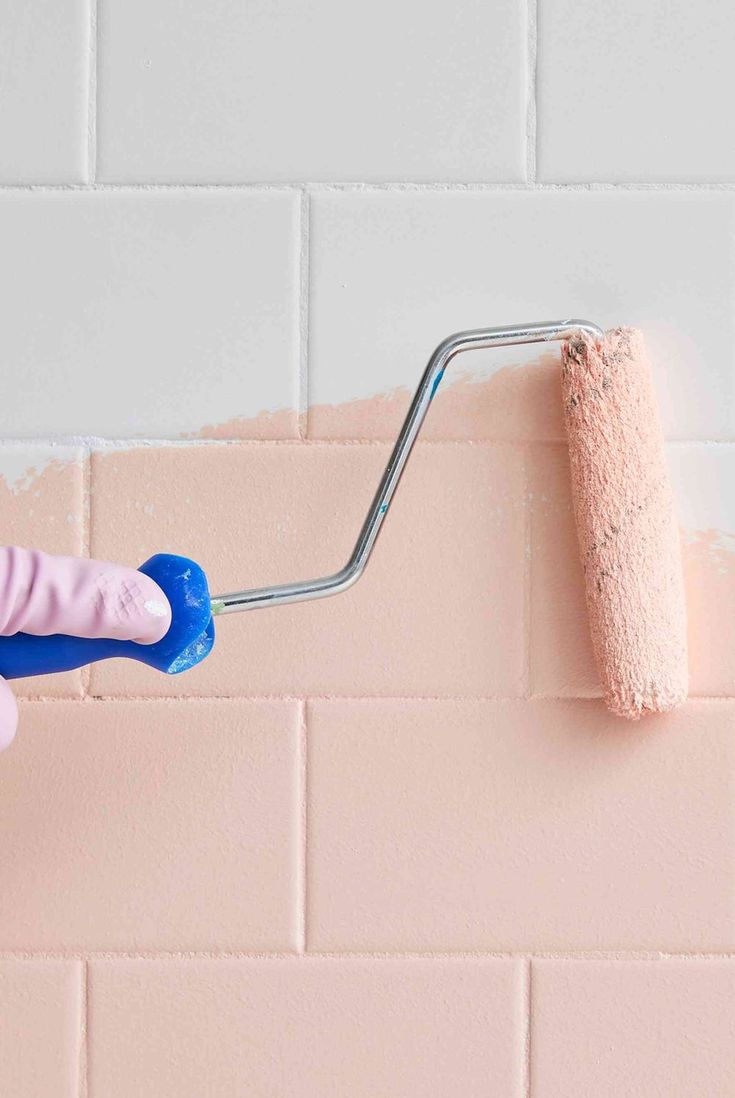
Quality and Application
The quality of the paint you choose can significantly impact its longevity. Invest in a high-quality paint that's designed to stand up to the demanding conditions of a shower. Furthermore, proper application is crucial. Make sure your tiles are clean, dry, and free of any imperfections before you start painting. Follow the manufacturer's instructions for application, including the recommended number of coats.
Incorrect application, such as using too many coats or applying paint too thickly, can trap moisture beneath the surface, leading to premature peeling or damage. Conversely, applying too few coats or applying the paint too thinly may result in the paint not lasting as long as it could.
Proper Prep and Maintenance
divisor=


Preparation
Before painting, ensure your shower tiles are clean and free of any soap scum, mold, or mildew. Use a suitable cleaner to remove all residue, and allow the tiles to dry completely before painting. If there are any cracks or holes in the tiles, use a tile adhesive to repair them before applying the paint. This not only helps with the longevity of the paint but also prevents water damage to the tiles themselves.
After painting, allow the tiles to cure for at least 24 hours before exposing them to moisture. This gives the paint time to bond properly with the tile surface and ensures better durability.
Regular Maintenance
Maintaining your painted shower tiles plays a significant role in their lifespan. Regularly cleaning your shower can help prevent the buildup of soap scum and mold, which can both break down the paint and make your shower look worn. Use a soft cloth or brush with warm water and a mild detergent to clean the tiles at least once a week. Avoid using harsh chemicals or scrubbers, as they can damage the paint.
Moreover, make sure your shower is well-ventilated. Proper ventilation helps to reduce moisture levels, which can prolong the life of your painted shower tiles. If necessary, install a ventilation fan that turns on automatically when you use the shower, and run it for about 15-30 minutes after each use.
Signs of Wear and Tear
divisor=
When to Repaint
Even with the best preparation, paint, and maintenance, eventually, you'll need to touch up or repaint your shower tiles. Some signs that it's time to repaint include:
- Cracking or peeling paint
- Mold or mildew growth
- Faded or discolored paint
- Paint that feels slick or slimy to the touch
If you notice any of these signs, it's best to address the issue promptly. Small problems can quickly escalate in a humid environment like a shower, leading to more extensive and costly repairs.
Alternative to Painting
If you're concerned about the longevity of painted shower tiles, consider alternative options such as tiling over with new tiles or using a shower tile refresher, which provides a durable, long-lasting solution. These options may require more effort or expense upfront but can offer a more permanent solution to updating your shower.
A professional bathroom remodeler can also provide guidance on the best solution for your specific situation, taking into account factors like your local climate, the age and condition of your home, and your budget.
In the end, the longevity of painted shower tiles depends on various factors. With proper preparation, the right paint, and regular maintenance, you can expect your painted shower tiles to last for a few years. While this may not be as long as a traditional tile installation, it's a cost-effective way to give your bathroom a facelift. Regularly inspect your painted tiles for signs of wear, and don't hesitate to tackle minor repairs or touch-ups as needed. By taking good care of your painted shower tiles, you can extend their lifespan and enjoy your updated bathroom for many years to come.
Related Articles

Maximize Shower Lifespan: How Long Does a Tile Floor Last?
The longevity of a tile shower floor is a common concern among homeowners. After all, installing a new shower floor is an investment, and you want to ensure...

"Basement Painting Cost: How Much Does It Cost to Paint Your Basement?"
Considering a basement paint job? You're in the right place. Diversity in basement sizes and conditions makes it challenging to pin down a precise cost...

How Long to Wait Before Second Coat: Behr Paint Dry Time
Embarking on a painting project often brings with it a multitude of questions, but few are as pressing as: "How long does Behr paint take to dry before the...

Dresser Painting Cost: How Much To Transform Your Furniture
Have you ever looked at your dresser and thought, "It's seen better days"? A fresh coat of paint can transform a dull, outdated piece of furniture into a...

"How Long Does a Propane Fire Pit Table Last?"
Planning to enhance your outdoor living space? A propane fire pit table not only adds warmth and ambiance, but also boosts your home's curb appeal. However, a...

RV Propane Lifespan: How Long Does Propane Last in RVs
How long does propane last in an RV? This is a question that perplexes many RV owners and enthusiasts. Propane, a staple fuel source in recreational vehicles...