Herringbone Floor Tiles: Perfect for Bathrooms
Herringbone floor tiles have consistently been a crowd favorite in bathroom design due to their timeless appeal and unique aesthetic. This classic pattern, characterized by its zigzag arrangement of rectangular tiles, adds depth and character to any space. Let's delve into the world of herringbone floor tiles for your bathroom, exploring their benefits, installation considerations, and popular design options.
Herringbone bathroom floor tile designs bring a touch of elegance and sophistication to your space. They can effortlessly blend traditional and modern styles, making them versatile for various bathroom scenarios. But what truly sets herringbone apart is their uncanny ability to make a room feel more expansive, all while adding a dash of personal style.
The Appeal of Herringbone Floor Tiles
The herringbone pattern has been adorning floors since the ancient Roman era. Today, it's not just a historical remnant but a powerful design tool that can transform your bathroom into a captivating, welcoming space.

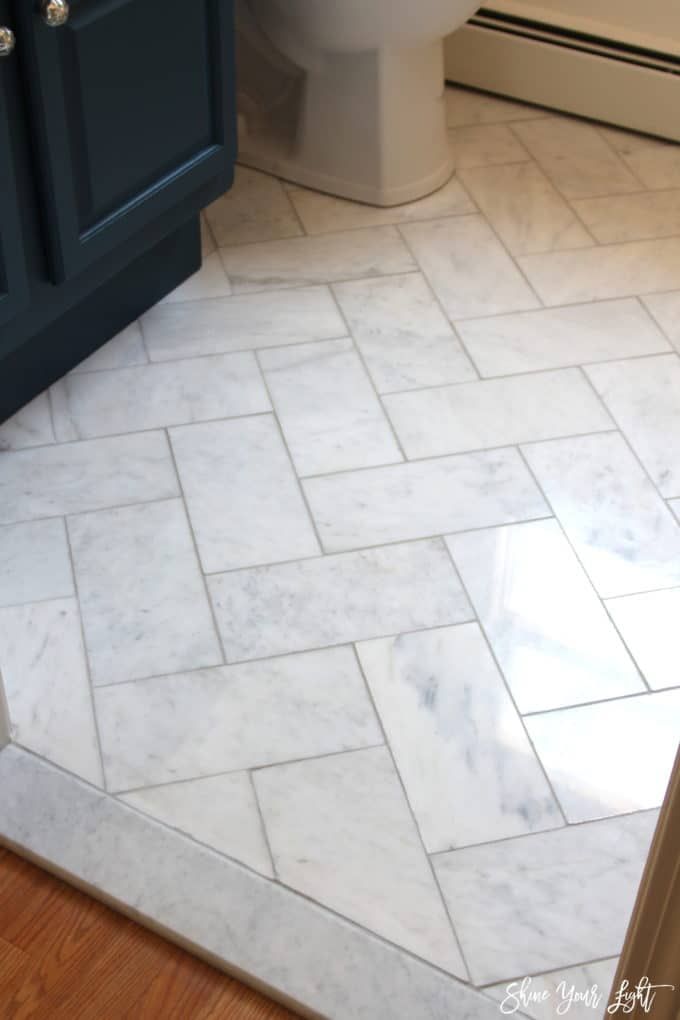

Herringbone tiles' genuine appeal lies in their ability to create the illusion of movement and depth. The offset, zigzag lines create a dynamic visual effect, drawing the eye along the pattern and, consequently, making your bathroom appear larger and more inviting.
Herringbone Tiles: Benefits in Bathrooms
Durability: Herringbone tiles are typically made from robust materials like porcelain or ceramic. These materials are known for their longevity and resistance against moisture, making them ideal for high-traffic bathrooms.


Easy Maintenance: Herringbone tiles are straightforward to clean and maintain, with no grout lines to accumulate dirt. This feature is particularly beneficial in busy households or for those with mobility issues or impairments.
Design Options: Herringbone Tiles in Bathrooms
Monochromatic Elegance: Opt for a single, bold hue like deep grey, navy blue, or jet black to create a luxurious, sophisticated look. Large format tiles in these colors exude a modern minimalist charm.
Material Mix: Combine different materials like wood-look porcelain, natural stone, or metal mesh inserts with herringbone tiles for a delightful blend of textures and colors. This tactic can add visual interest and a unique, personalized touch to your bathroom.


Installing Herringbone Tiles in Your Bathroom
Preparation is key when it comes to herringbone tile installation. Ensuring your subfloor is flat, level, and dry is crucial for a successful outcome. Additionally, planning the layout – including the starting point and direction of the herringbone pattern – will impact the overall aesthetic and should be carefully considered.
Hiring a professional tiler is recommended for this intricate installation process. However, if you're feeling handy and up for a challenge, there are numerous DIY tutorials available to guide you through the process.
Herringbone Floors: Pro Tips for Bathroom Design
Tile Size: Larger tiles are recommended for spacious bathrooms to emphasize the room's size, while smaller tiles work well in smaller spaces, creating the illusion of a larger room.
Grout Color: The grout color can dramatically influence the final look. Dark grout can create a bold, sophisticated look, while light grout can add a touch of brightness and openness to your bathroom.
Lastly, don't be afraid to experiment with herringbone tiles to create a unique, personalized bathroom space that reflects your individuality. By understanding the fundamentals of herringbone patterns and matching them with your bathroom's size, layout, and overall design scheme, you're well on your way to creating a stunning, functional, and inviting bathroom oasis.
Related Articles

Herringbone Bathroom Magic: Porcelain Tiles for Stunning Floors
Transform your bathroom into a space of timeless elegance with porcelain herringbone bathroom floor tile. This classic pattern, with its stylish offset, is not...

Herringbone Floor Tiles for Stunning Bathrooms: Ideas & Inspiration
herrison floor tiles bathroom ideas have become increasingly popular in modern home design, bringing a timeless charm and classic touch to spaces. With their...

Maximize Mini Space: 15 Brilliant Dark Tiles for Small Bathrooms
The charm of small bathrooms often lies in their cozy, intimate atmosphere. And what better way to enhance this ambiance than by incorporating dark tile...

Simple Bathroom Floor Tile Design Ideas with Inspiring Images
When it comes to designing your bathroom, the floor tiles you choose can significantly impact the overall aesthetic and functionality of the space. For those...

Penny Round Tile Flooring Ideas for Bathrooms
When it comes to bathroom tile flooring, penny round tiles have made a significant comeback in recent years. These small, circular tiles offer a unique...

Best Bathroom Floor Tile Ideas: Stunning Images & Guide
Tile floors in your bathroom can significantly enhance its aesthetic appeal and usability. But with countless designs and materials available, choosing the...