The World of Gardens: Exploring Different Types of Plants with Images & Names
Embarking on the delightful journey of gardening opens up a world of vibrant colors, soothing scents, and lush textures, each Unique plant bringing its own charm to your outdoor space. Let's explore the diverse panorama of garden plants, categorized by their growth habits, with a illustrative smorgasbord of pictures and names.
Garden plants can be broadly categorized into categories, each with its own distinctive characteristics and care requirements. Understanding these categories will help you create a harmonious and thriving garden ecosystem. Let's dive into the two primary groups: herbaceous and woody plants.
Herbaceous Plants
Herbaceous plants, also known as nonwoody plants, bring a burst of color and life to your garden through their lush foliage and vibrant flowers. They are characterized by their lack of woody stems and their annual, biennial, or perennial life cycles.


Herbaceous plants are further categorized into flowers, foliage plants, and bulbs, each requiring specific care for optimal growth.
Garden Flowers
Blooming beauties transform gardens into vibrant oases, attracting pollinators and adding a splash of color. Annuals, biennials, and perennials create a intricate tapestry of blossoms, each with its unique blooming season.


Here are some popular garden flowers:
- Annuals: Marigold, Zinnia, Petunia, Nasturtium
- Biennials: Pansy, Forget-me-not, Sweet William
- Perennials: Rose, Daylily, Lavender, Coneflower
Foliage Plants
Foliage plants shine in both sun and shade, providing year-round interest with their captivating leaf textures, shapes, and colors. Houseplants and shade-loving perennials fall into this category.

Here are some fetching foliage plants:


- Houseplants: Snake Plant, Pothos, Swedish Ivy, Dieffenbachia
- Shade-loving Perennials: hosta, Fern, Heuchera, Astilbe
Bulbs
Bulbs, whilst dormant, burst forth with an array of colors in spring and early summer. They areherent, tunicate stem structures that store food for the plant's next growing season.

Popular bulbs for your garden include:
- Tulse: Daffodil, Tulip, Hyacinth
- Iridaceae: Iris, Crocus, Freesia
- Liliaceae: Lily, Grape Hyacinth, Snowdrop
Woody Plants
Woody plants, such as shrubs, trees, and vines, structure your garden landscape with their sturdy, persistent stems. They provide support, focal points, and valuable habitats for wildlife.
Woody plants are categorized by their growth habit and size.
Shrubs
Shrubs add layering and texture to your garden design. Deciduous, evergreen, and flowering shrubs provide stunning displays throughout the seasons.

Here are some fantastic shrubs for your garden:
- Deciduous: Hydrangea, Witch hazel, Rose of Sharon
- Evergreen: Boxwood, Holly, Rhododendron
- Flowering: Azalea, Hydrangea, Camellia
Trees
Trees, the guardians of the garden, provide shade, privacy, and architectural interest. They are categorized by their growth habit and canopy shape.
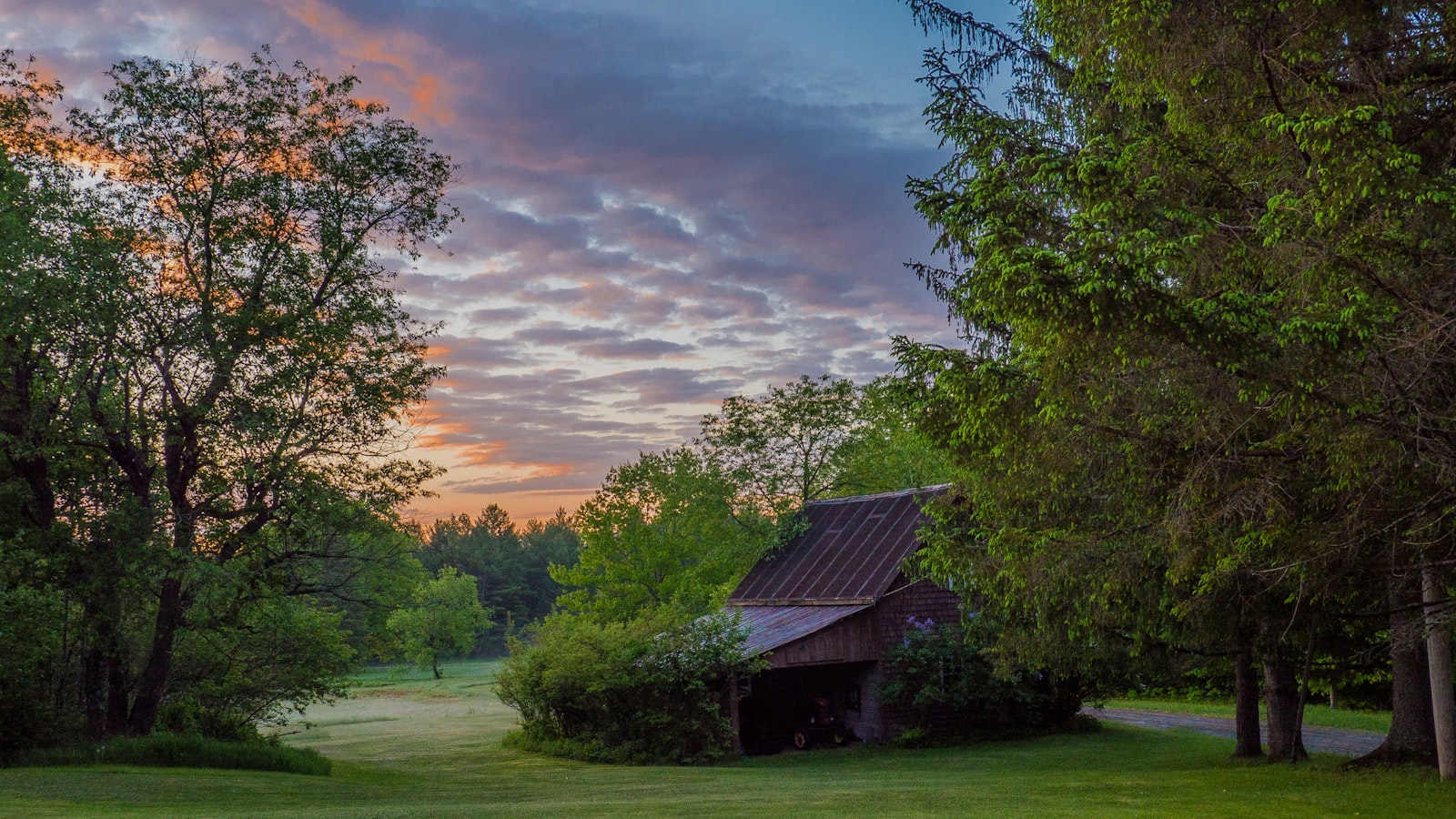
Here are some marvelous trees for various garden settings:
- Small Trees: Crape myrtle, Japanese maple, Saucer magnolia
- Medium Trees: River birch, Flowering dogwood, Japanese holly
- Large Trees: Southern magnolia, Pin oak, Sweetgum
As you've explored the captivating world of garden plants, let your imagination run wild, designing your space with a kaleidoscope of colors, textures, and shapes. Happy gardening!
Related Articles

Exploring Different Flooring Types Across Rooms & Kitchen
Flooring is a critical aspect of interior design, setting the tone for the entire room and affecting its functionality, durability, and aesthetics. Different...

Exploring Multiple Ceiling Board Materials for Your Living Room
Revamping your living room? Don't overlook the critical role your ceiling plays in shaping the overall aesthetics. The ceiling board material you choose...

"Exploring Material Options: Different Types of Quince Bedding"
When it comes to equipping your home with high-quality bedding, the options can seem overwhelming. For those seeking a royal touch, the quince or quilted...

Different Types of House Interior Designs and Their Names
When it comes to interior design, the possibilities are endless. From the color schemes and furniture to the layout and decor, each home tells a unique story...

150+ Inspiring Chain Link Fence Ideas with Images
When it comes to securing your property, choosing the right fence is crucial. Among the myriad options available, chain link fences are a popular choice due to...

"Explore the Many Types of Ornaments & Their Names"
Ornaments, a term that hails from the Latin word 'ornare,' which means 'to decorate or adorn,' have been an integral part of human culture since time...