Unclog Your Kitchen: Mastering Sink Waste Pipe Cleaning
The kitchen sink is a hardworking fixture in our homes, and like all laborers, it needs proper care to function efficiently. A crucial part of that care is ensuring the waste pipes remain clear and free from blockages. Regular cleaning of sink waste pipes not only prevents expensive repairs but also maintains your sink's functionality and prevents unpleasant odors. In this guide, we'll delve into the whys and hows of cleaning sink waste pipes, ensuring your kitchen remains a pleasant and efficient workspace.
Before we dive into the cleaning methods, let's first understand why clogged waste pipes are such a common problem. Grease, food particles, soap scum, and hair are the primary culprits, adept at building up over time and causing blockages. Regular cleaning helps prevent this buildup, keeping your pipes flowing freely.
Preventive Measures for Clogged Pipes
Prevention is always better than cure, especially when it comes to plumbing issues. Implementing daily care for your kitchen sink can significantly reduce the risk of clogged pipes.


Regular Emptying of the Garbage Disposal
If your kitchen sink is equipped with a garbage disposal, regular emptying can help prevent clogs. After each use, run cold water through the disposal for a few seconds to flush out any remaining food particles. You can also occasionally run citrus peels through the disposal to keep it smelling fresh and functioning efficiently.
Avoiding Common Clog Culprits
Be mindful of what goes down your kitchen sink. Avoid pouring grease or oil, as these can solidify and cause blockages. Also, avoid discarding stringy vegetables like celery and lettuce, as they can wrap around the disposer blades and cause jams. And remember, your kitchen sink is not a trash can - avoid disposing of non-food items down the drain.


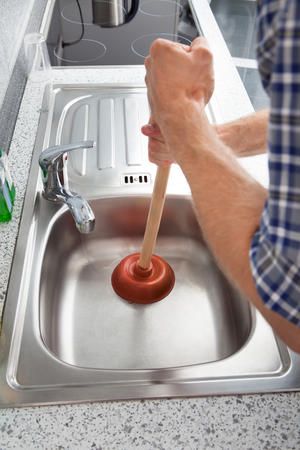
Effective Methods for Cleaning Sink Waste Pipes
Even with preventive measures, clogs can still occur. When they do, it's essential to tackle the problem promptly to avoid bigger issues. Here are some tried-and-true methods for cleaning sink waste pipes.
Baking Soda and Vinegar Solution
This method uses the fizzing power of the volcano's favorite science experiment to clean your pipes. Pour a pot of boiling water down your drain, followed by a cup of baking soda. Let it sit for a few minutes, then chasing it down with a cup of white vinegar. The resulting fizz will help breakdown any grease or grime. Rinse with hot water to complete the process.
CCaustic Soda Solution
Caustic soda, also known as sodium hydroxide, is a powerful chemical cleaner. It's effective at breaking down grease and soap scum but must be handled with care due to its caustic nature. Never mix it with other cleaners, and always wear gloves and protective eyewear. Pour a box of caustic soda into two liters of cold water, let it dissolve, then pour it down the drain. Let it sit overnight, then chase it with hot water.


hydro-cleaning
hydro-cleaning is a more eco-friendly method that uses high-pressure water to clean your pipes. You can hire a professional hydro-cleaning service or invest in a water jet cleaner for regular use. This method is particularly effective at removing blockages caused by tree roots or hard water scale.
When to Call the Professionals
While these methods can clear minor clogs, severe blockages may require professional intervention. If your cleaning efforts are unsuccessful, or if you notice foul odors emanating from your pipes, call a licensed plumber. They have the tools and knowledge to tackle even the most stubborn clogs.
Regular cleaning of sink waste pipes is essential for maintaining a functional and pleasant kitchen. By implementing preventive measures and tackling clogs promptly, you can ensure your kitchen sink continues to serve you well. So, roll up your sleeves, grab your baking soda, and let's get cleaning! And remember, for those tough jobs, don't hesitate to call in the professionals - they're there to help.
Related Articles

Mastering Home Plumbing: Clear Your Sink Instantly
Imagine this scenario: You're midway through preparing a delicious meal, and suddenly, your kitchen sink starts draining at a snail's pace. It's an...
Unclog Kitchen Sink Pipes: Top Solutions & Cleaning Hacks
Keeping your kitchen sink pipes clean is crucial for preventing clogs, unpleasant odors, and potential health hazards. However, with the array of cleaning...

Unclog Your Kitchen Sink Drain Fast: Easy Steps
From burnt grease to congealed food particles, kitchen sink drains often bear the brunt of our cooking and cleaning habits. Over time, these buildups can lead...
Unclog Your Sink: Easy Homemade Remedy
Is your kitchen sink struggling with slow drainage or a clocked-up blockage? You're not alone. Clogged kitchen sinks are a common plumbing issue, often caused...

Rejuvenate Your Cabinets: Mastering Rusty Hinge Cleaning
Say goodbye to thoserusty kitchen cabinet hinges that mar your otherwise pristine space. čin Rust often builds up over time due to moisture and heat in the...

Mastering Wood Cabinet Cleaning: Top Methods for Your Kitchen
Wood kitchen cabinets are not only durable and long-lasting but also add warmth and beauty to your kitchen space. However, over time, they can accumulate dirt...