The Best Bathtub Cleaners for a Sparkling Tub
Tired of scrubbing your bathtub with little to no results? It's time to bid farewell to that tough grime and hello to squeaky clean perfection with the best bathtub cleaners. But with so many options available, how do you choose the right one? Let's dive into the world of bathtub cleaners and explore the top products, their ingredients, and methods to help you find your perfect match.
First things first, it's crucial to understand that no two bathtubs are alike. While some bathtubs are made of smooth, non-porous materials like acrylic or porcelain, others are textured or porous, such as stone or cast iron. Moreover, regular cleanings and harsh chemicals can also take a toll. Therefore, selecting the best bathtub cleaner Warrington depends on the material, level of dirt, and how often you clean.
Acids: The Powerhouses Against Mineral Deposits
When it comes to removing tough stains and mineral deposits, acid-based cleaners are the heavy hitters. They are particularly effective in busting through limescale, rust, and soap scum that has accumulated over time. However, they are not without their drawbacks. They can be harsh, causing damage to certain materials if not used carefully.


White Vinegar: Nature's Wonder Acid
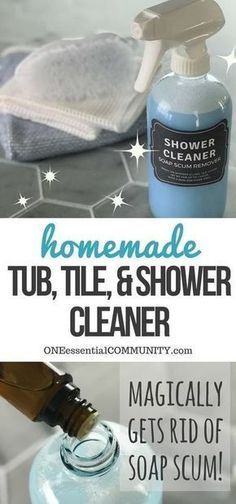
White vinegar is a versatile, eco-friendly, and budget-friendly acid cleaner. Its mild acetic acid naturally breaks down grime and mineral deposits. To use, simply pour vinegar into a spray bottle, apply it to the affected areas, let it sit for 30 minutes to an hour, and then wipe it off. For added effectiveness, you can mix it with baking soda – just be careful, as the combination creates a foaming reaction that could potentially overflow.
While vinegar is generally safe for most materials, it may not be suitable for marble or other natural stones, as it can gently etch the surface over time. Always spot test before using it on your entire bathtub. Additionally, avoid using vinegar on painted surfaces, as it may cause the paint to peel or discolor.


Lemon Juice: A Scented Alternative
Similar to white vinegar, lemon juice contains mild acids that make it an excellent natural cleaner. It not only removes grime but also leaves behind a refreshing citrus scent. To use, mix equal parts of lemon juice and water in a spray bottle, apply it to the bathtub, let it sit for 30 minutes, and then scrub and rinse.
Lemon juice is generally safe for most bathtub materials, but it may cause discoloration on some surfaces. Therefore, always perform a spot test before applying it to the entire area. Moreover, avoid using lemon juice on painted surfaces, as it may cause the paint to peel or discolor.
Enzymatic Cleaners: The Gentle yet Powerful Alternative
For those looking for a gentler approach, enzymatic cleaners are an excellent alternative. They use natural enzymes to break down dirt, grease, and grime without damaging the bathtub surface. These cleaners are particularly effective on organic stains, like mold and mildew, and they typically have a refreshing, earthy scent.


Enzyme-based Bathtub Cleaners
There are numerous enzyme-based bathtub cleaners available on the market, offering a variety of formulas and strengths. Some popular options include Bio-Clean, Rocco & Roxie, and Pure EncapsulationsOUNTains. To use, simply apply the cleaner to the bathtub, let it sit for the recommended duration, and then scrub and rinse.
Enzyme-based cleaners are generally safe for most bathtub materials, including porcelain, acrylic, marble, and stone. However, always spot test before using a new cleaner to ensure it doesn't cause discoloration or damage. Additionally, avoid using enzymatic cleaners on painted surfaces, as they may cause the paint to peel or discolor.
DIY Enzymatic Cleaner
Giving a DIY enzymatic cleaner a try is a budget-friendly and eco-conscious approach. To make your own, mix four parts of warm water, one part white vinegar, and one-part dish soap. Apply the solution to the bathtub, let it sit for 30 minutes, and then scrub and rinse.
While this DIY cleaner is gentle on most surfaces, it may contain mildly abrasive particles from the dish soap that could potentially scratch certain materials. Always perform a spot test before using it on your entire bathtub. Additionally, avoid using this cleaner on painted surfaces, as it may cause the paint to peel or discolor.
When it comes to finding the best bathtub cleaner in Warrington, there's no one-size-fits-all solution. Each cleaner has its strengths and weaknesses, making some better suited for specific situations than others. By understanding your bathtub's unique needs and the benefits of different cleaners, you can make an informed decision and maintain a sparkling clean bathtub for years to come.
Related Articles

Best Handheld Steam Cleaners: Wirecutter's Top Picks 2023
When it comes to maintaining a spotless home, handheld steam cleaners have become indispensable tools. These versatile devices harness the power of steam to...

Top Steam Cleaners for Textured Floor Tiles in 2023
Cleaning textured floor tiles involves a delicate balance, as you want to remove dirt and stains without damaging the intricate patterns or risking water...

Best Handheld Steam Cleaners for Auto Detailing
The gleaming finish of a freshly detailed car is not just about aesthetics, it's a testament to thoroughness, and a handheld steam cleaner is an indispensable...

Steam Cleaners: The Perfect Tool for Sparkling Showers
Keeping your shower clean and mildew-free is no easy task, but it's a crucial aspect of maintaining a healthy and hygienic home. With the plethora of cleaning...

Top Laminate Floor Steam Cleaners
Investing in the best laminate floor steam cleaner can significantly simplify your home maintenance routine, ensuring your floors stay clean, fresh, and...

Best Cordless Pool Vacuum Cleaners: Top Picks for Spotless Pools
Keeping your pool clean doesn't have to be a chore, especially with the advent of cordless pool vacuums. These state-of-the-art devices offer unparalleled...