Attic Bathroom Vent Fan: Maximize Space & Ventilation
When it comes to maintaining a comfortable and healthy home, proper ventilation is key. One often overlooked but crucial aspect is ensuring your bathroom vent fan is correctly installed and functioning optimally, even if it's located in your attic. This article delves into the intricacies of bathroom vent fans in attics, their importance, installation considerations, and maintenance tips.
Bathrooms generate significant moisture due to various activities like showering, bathing, and washing hands. Without adequate ventilation, this moisture can lead to mold growth, damage to interior finishes, and overall discomfort. A well-placed and functioning bathroom vent fan in your attic is your first line of defense against these issues.
Understanding Bathroom Vent Fans in Attics
Attics are common locations for bathroom exhaust fans due to the venting ease and availability of outdoor openings. However, this placement presents unique challenges that homeowners should understand and address.


A common misconception is that an attic bathroom vent fan simply needs to be installed and will automatically solve all ventilation issues. However, to ensure optimal performance, several factors must be considered, including fan size, ducting, and proper exhausting to the outdoors.
Fan Size Matters
Installing the right-sized fan is crucial. The fan's airflow capacity, measured in cubic feet per minute (CFM), should match the bathroom's square footage. As a general rule, a bathroom should have a vent fan with a capacity of one CFM per square foot of floor area, with a minimum of 50 CFM.


For example, a 50-square-foot bathroom would require a fan with at least 50 CFM. However, larger bathrooms may require more powerful fans. Always consult with a professional if unsure about the required size.
Ducting: A Critical Link
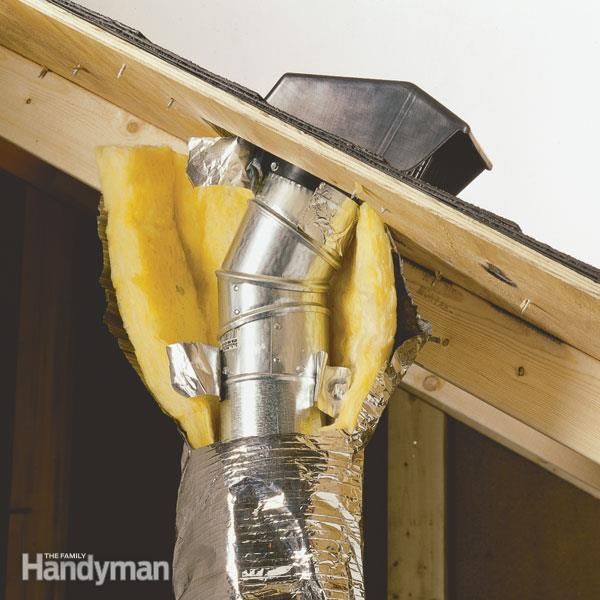
The ducting system connecting the fan to the outdoor vent is another critical component. It must be properly installed and maintained to ensure optimal airflow. Aluminum ducts are ideal due to their resistance to moisture and rust. The ducting should be as straight and short as possible to minimize air resistance and prevent moisture buildup.
Insulating the ductwork can also help prevent condensation and improve the fan's overall efficiency. However, ensure that any insulation does not block the duct's seam or limit airflow. Always seal any duct joints with mastic sealant to prevent air leaks and moisture intrusion.


Installing and Maintaining Bathroom Vent Fans in Attics
Adequate installation and regular maintenance are essential for the efficient operation of attic bathroom vent fans. Here are some installation and maintenance tips to keep in mind.
During installation, ensure that the fan is properly secured to the attic floor or joists to prevent vibration. The fan should exhaust directly outdoors through a roof vent or gorgeously through the attic and out a gable, soffit, or wall. Never vent the fan into the attic space itself, as this can lead to moisture buildup and related issues.
Regular Cleaning and Inspection
Regularly cleaning and inspecting your attic bathroom vent fan is crucial for maintaining its efficiency and prolonging its lifespan. Every six months, or more frequently if needed, turn off the fan and clean it using a vacuum or brush to remove dust and debris from the blades and grille.
Also, inspect the fan's motor and housing for signs of excessive heat, vibration, or unusual noises. If you notice any of these issues, it may indicate a problem that requires professional attention. Always consult a professional if you're unsure about any aspect of your fan's operation or maintenance.
Insulating the Fan Housing
For attic installations, especially in colder climates, consider insulating the fan housing to prevent warmth from escaping through the exhaust vent. This can help reduce heat loss and lower energy bills. However, it's crucial to ensure that any insulation does not cover the fan's intake or exhaust openings.
In some cases, a fan with an integrated heater may be beneficial. These fans not only exhaust moist air but also provide warmth to the bathroom, further enhancing user comfort and efficiency.
In conclusion, installing and maintaining a bathroom vent fan in your attic is a vital part of creating a comfortable, healthy, and energy-efficient home. By understanding and addressing the specific considerations related to attic installations, you can ensure that your fan performs optimally and provides the necessary ventilation to protect your home and family. If you're unclear about any aspect of installation or maintenance, always consult a professional qualified to handle these tasks.
Related Articles

Bathroom Vent: Maximize Aesthetics and Ventilation
Imagine starting your day with a refreshing shower in a bathroom that's not only functional but also visually stunning. A key element that enhances the appeal...
Maximize Ventilation, Minimize Overhead: The Cost to Vent Bathroom Fan Through Roof
Have you recently been faced with the daunting task of venting your bathroom fan through the roof? While it might initially seem like a straightforward...

30+ Small Master Bathroom Ideas: Maximize Space & Style
Creating a cozy, functional, and stylish master bathroom doesn't have to break the bank. In fact, with a little creativity and some clever planning, you can...

7x8 Bathroom Layout Ideas: Maximize Space & Style
Transforming a 7x8 bathroom into a functional and stylish space requires creativity and careful planning. With the right layout ideas, you can maximize your...

Maximize Small Space: Best Bathroom Layouts under 6 Feet
Optimizing small bathroom layouts is a design challenge that many homeowners face. With efficient planning and creative solutions, it's possible to create...

Maximize Your Space: 30 Insanely Aesthetic Bathroom Storage Ideas
Transforming your bathroom into a stylish and organized havens need not be a daunting task. Implementing aesthetic bathroom storage ideas can enhance both the...